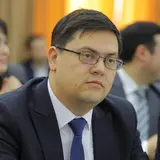
Tashkent, Uzbekistan (UzDaily.uz) — University of St Andrews Professor Filippo Costa Buranelli has published an analytical article examining the development of the "Central Asia – Italy" ("5+1") cooperation format. According to the British researcher, the initiative demonstrates a shift from traditional diplomacy toward a long-term institutional partnership built on human capital development and public governance.
The author notes that amid Central Asia's growing international significance, Italy's interaction format with the five regional states is acquiring new substance. In his view, the "Schools of Policy" held from late May to mid-July 2026 reflect a changing approach to cooperation based on equal partnership rather than a "donor-recipient" model.
As part of the program, 80 representatives from public administration academies in Kazakhstan, Kyrgyzstan, Tajikistan, Turkmenistan, and Uzbekistan participated in educational events aimed at developing professional competencies and exchanging expertise in public administration. The project is implemented on the initiative and with funding from the Ministry of Foreign Affairs of Italy in accordance with the Joint Declaration signed in Astana on May 30, 2025.
Buranelli emphasizes that a key outcome of the program is the creation of a shared expert space and a unified professional language for interaction among civil servants and experts from participating countries. The "Schools of Policy" form part of the BRIDGE initiative, coordinated by Ca' Foscari University of Venice.
According to the author, educational modules cover a wide array of topics, including sustainable agriculture, transport and digital infrastructure development, water resources management, healthcare, and renewable energy. Beyond lectures and technical seminars, participants jointly draft practical documents, including "roadmaps" for specific areas of cooperation.
The researcher highlights that experience confirms the effectiveness of institutional development as a foundation for economic integration, sustainable development, energy transition, agricultural modernization, water management, and the implementation of transregional transport projects.
In conclusion, Buranelli notes that long-term partnerships are built primarily on investment in institutions, knowledge, and human capital. In his view, the experience of the "Schools of Policy" shows that the "Central Asia – Italy" format can deliver tangible practical results when backed by political will and effective expert interaction, establishing a firm basis for further cooperation between Italy and Central Asian nations.