Tashkent, Uzbekistan (UzDaily.uz) — Korea Development Bank (KDB) is considering selling its subsidiary in Uzbekistan as part of a review of its overseas network, South Korean publication Pulse reported, citing financial industry sources.
KDB is reviewing the operations of 25 overseas units, including seven local subsidiaries, 12 branches and six representative offices. After the opening of a branch in Hanoi, Vietnam, which was approved earlier this year, the number of the bank’s overseas units will rise to 26. In South Korea, KDB operates 60 branches.
The review covers units with limited growth prospects, as well as representative offices that have not been able to transition into full-fledged branches for several years. The bank is also considering merging offices located close to one another, which could reduce the overall size of its overseas network.
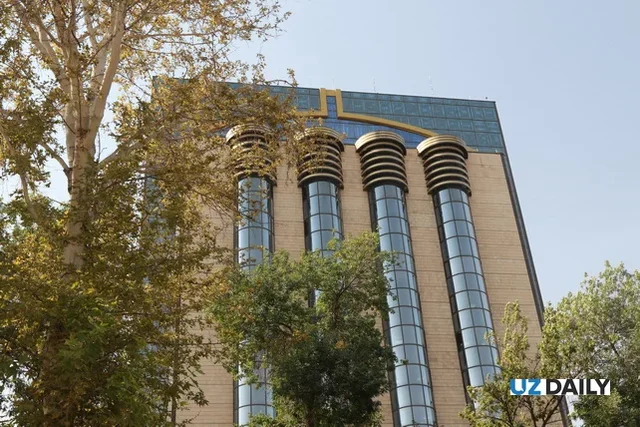
Uzbekistan is one of the markets under review, where KDB has operated since 2006. The bank entered the Uzbek market after acquiring Uz Daewoo Bank in Tashkent. According to Pulse, KDB is now considering an exit from Uzbekistan amid limited business results and the growing presence of other South Korean banks.
Interest in Uzbekistan from Korean financial institutions has been increasing in recent years. Shinhan Bank is preparing to establish a subsidiary in Uzbekistan, while Hana Bank plans to open a representative office. Another state-owned South Korean financial institution, the Export-Import Bank of Korea, already operates a representative office in the country.
A financial industry source familiar with the situation in Uzbekistan told Pulse that KDB is considering selling its Uzbek subsidiary as part of the review of its overseas portfolio.
“South Korean banks will be the first potential buyers,” Pulse quoted the source as saying.
At the same time, KDB stressed that no specific decision on the sale has been made. According to the publication, an investment banking source said preliminary consultations had been held with Shinhan Bank and Hana Bank to assess their interest in KDB’s Uzbek business.
There are also opposing views within KDB on a possible sale. “There are also internal opinions against the sale, so it remains to be seen what decision will ultimately be made,” a Pulse source said.
In addition to Uzbekistan, KDB is considering changes to the structure of its other overseas operations. In particular, the bank’s representative offices in Moscow and Abu Dhabi, which were opened in 2013, may require optimisation as they have not been converted into branches over the past 13 years.
At the same time, KDB plans to strengthen its presence in markets with higher growth prospects. The bank’s representative office in Sydney is planned to be converted into a branch amid rising demand for project financing linked to infrastructure investment and the development of Australia’s raw materials industries.
KDB’s overseas network review comes amid the South Korean government’s policy of improving the efficiency of public institutions. The administration of Lee Jae Myung is promoting structural changes, including the consolidation of organisations with similar functions.
South Korea’s Ministry of Economy and Finance is also working to consolidate overseas offices of government institutions located in the same countries and regions. In the first stage, offices in five areas, including the United States, Vietnam, Kenya and Dubai, are planned to be consolidated.
For Uzbekistan’s banking market, a possible sale of KDB’s Uzbek subsidiary could coincide with further expansion by South Korean financial groups in the country. However, according to Pulse, no final decision has yet been made on the future of KDB’s business in Uzbekistan.