Tashkent, Uzbekistan (UzDaily.uz) — Not everything we see on the internet and social media is true. While technology brings people closer and puts endless information just two clicks away, the digital space can sometimes turn into a breeding ground for manipulation, extremism, and radicalization.
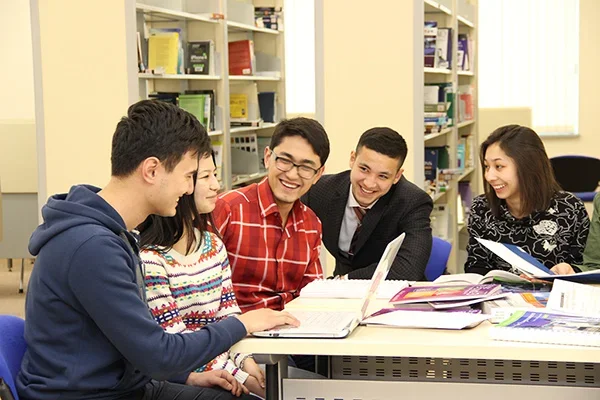
Building on its ongoing efforts to promote media literacy, the OSCE Project Co-ordinator in Uzbekistan, in cooperation with the Journalist Retraining Centre, organized a specialized media camp in the Parkent district of Tashkent region. Bringing together 30 talented students of journalism, filmmaking, and design from leading universities, the camp focused on building critical media literacy skills.
The initiative equips future media professionals, filmmakers, and designers - those who will play a key role in shaping modern visual culture - with essential tools to recognize fake news, practice rigorous fact-checking, and create safe, reliable content. By doing so, these young talents are stepping up to play an active role in preventing violent extremism and radicalization that lead to terrorism.
Highlighting the importance of this mission, Gulnara Babadjanova, Director of the Journalist Retraining Centre, noted:
“Our most important weapon in the fight against terrorism is accurate and reliable information. The role of modern media is not to spread negative stereotypes, but to promote tolerance in society. Journalists themselves must continuously develop their knowledge and skills in order to report on complex issues professionally, while always keeping ethics and people’s safety in mind.”
The three-day immersive program featured interactive sessions, practical case studies, and expert-led workshops on digital hygiene, AI in storytelling, and alternative narrative creation. Participants explored how everyday digital interactions can profoundly impact real-world communities.
Sharing a perspective from the camp discussions, Shamsiddin Talibboev, a student at Uzbekistan State World Languages University, emphasized:
"It is important not only to know how to use the internet, but also to critically evaluate our actions online, understand that sharing content without consent causes real harm, and avoid supporting cyberbullying."
By fostering critical thinking, ethical content creation, and digital resilience among the rising generation of creators, the media camp marks a significant step toward a safer, more transparent information environment in Uzbekistan.