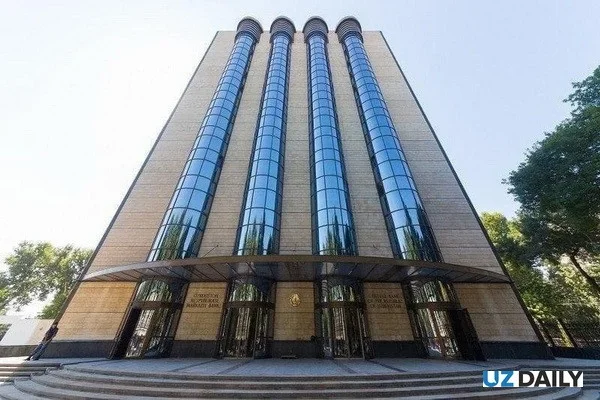
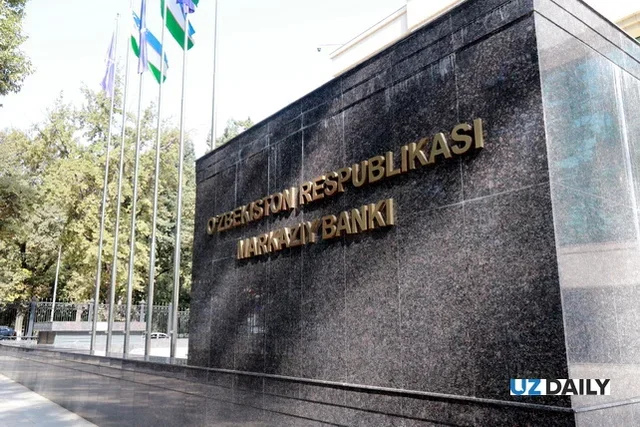
Tashkent, Uzbekistan (UzDaily.uz) — The Central Bank of Uzbekistan (CBU) has unveiled draft regulations outlining the licensing and registration framework for Sharia-compliant financial institutions, marking a major step toward establishing a dual banking system.
The draft resolution, released for public consultation, follows the landmark Islamic finance law ($\text{№ ZRU-1126}$) signed by President Shavkat Mirziyoyev in March, which is set to take effect on June 29. The CBU's proposed measures establish formal legal pathways for setting up dedicated Islamic banks, opening "Islamic windows" within existing commercial institutions, and fully transforming conventional banks into Sharia-compliant entities.
Under the proposed rules, applicants must navigate a centralized vetting process to secure preliminary creation permits, state registration, and final operational licenses. Crucially, the draft introduces strict corporate governance mandates, requiring conventional banks to obtain explicit central bank clearance for members of their internal Islamic Finance Councils and senior executives overseeing Sharia operations before they can take office.
The regulatory rollout is designed to mobilize substantial untapped domestic savings and position Tashkent as a competitive hub for Gulf-based capital. Observers note that by introducing standard-setting compliance audits, separate accounting rules, and tax neutrality provisions—such as eliminating value-added tax (VAT) on Islamic leasing ($Ijarah$) and certificates ($Sukuk$)—the framework rectifies long-standing civil law barriers. Interested parties have been invited to submit their feedback on the draft regulation via the national portal for legislative discussions.