Uzbekistan Expands Cotton Cluster Model to Azerbaijan

Uzbekistan Expands Cotton Cluster Model to Azerbaijan
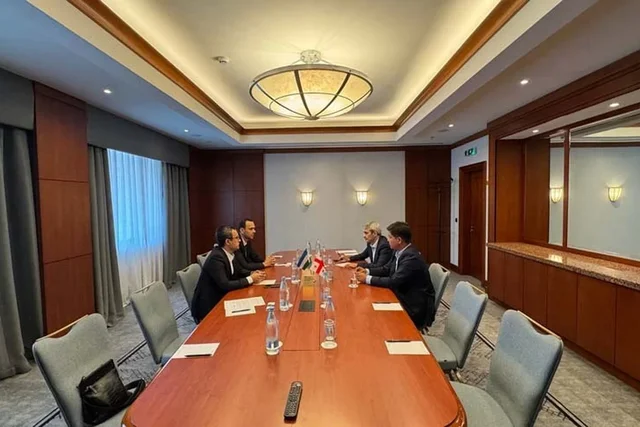
Tashkent, Uzbekistan (UzDaily.uz) — Uzbekistan has commenced the implementation of its integrated cotton production cluster model in Azerbaijan, introducing a complete industrial cycle ranging from raw material cultivation to the manufacturing of finished textile goods. The strategy was outlined by the Deputy Minister of Investments, Industry, and Trade of Uzbekistan, Khurram Teshabaev, in an interview with the news agency Report.az.
According to the deputy minister, within the framework of the Industrial Cooperation Program between the two countries—approved in June 2025—specific land plots for cotton clusters have already been designated, anchor investors have been successfully secured, and organizational management structures have been established.
"In essence, we are talking about replicating the complete 'field-to-finished-product' production cycle model that has proven highly successful in Uzbekistan. It covers every single phase: cotton cultivation, deep processing, and the output of high-value-added textile products," Teshabaev explained.
In parallel with the textile initiatives, pilot projects are being rolled out in the dairy sector. These efforts focus on introducing modern processing technologies, improving livestock productivity, and establishing streamlined distribution and marketing systems for dairy products. The partner nations intend to scale up these initiatives systematically as practical results are achieved.
Teshabaev also noted that Uzbekistan stands ready to share its extensive experience in establishing technology parks and industrial zones with its Azerbaijani partners, particularly focusing on high-tech and manufacturing industries.
"Broadly speaking, we are seeing a consistent transition from isolated pilot initiatives toward the formation of fully fledged production ecosystems built on localized manufacturing, the adoption of modern technologies, and the generation of high added value," the deputy minister concluded.