Japan's Sumitomo proposes energy-efficient modernization for Uzbekistan’s greenhouses

Tashkent, Uzbekistan (UzDaily.uz) — The Japanese trading giant Sumitomo Corporation has proposed the implementation of a green pilot project in Uzbekistan aimed at transitioning agricultural greenhouse complexes from traditional coal-fired heating to advanced, energy-efficient alternatives. The environmental initiative was officially presented to the National Committee on Ecology and Climate Change.
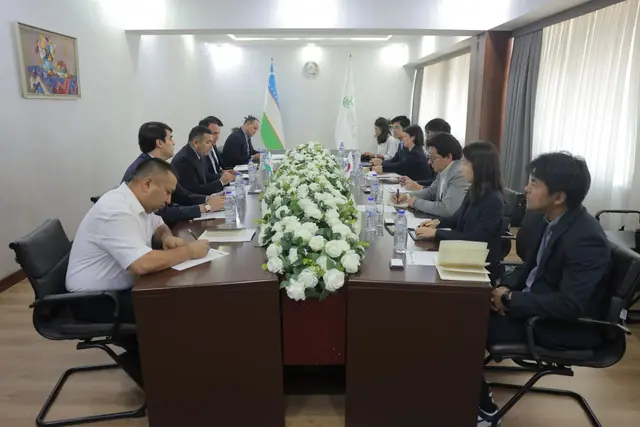
The strategic modernization framework was discussed during a meeting between the Chairman of the National Committee on Ecology and Climate Change, Aziz Abdukhakimov, and a delegation from Sumitomo Corporation led by Sosuke Ishida, the Director of the Infrastructure Business Department.
During the talks, both parties evaluated the prospects of establishing a dedicated demonstration and testing ground within the "Green Territory" project ecosystem in the Samarkand region. This facility will be utilized to pilot, evaluate, and showcase modern engineering solutions designed for high-efficiency climate control within greenhouse complexes.
Representatives from Sumitomo shared their extensive international expertise in deploying integrated heating, ventilation, and air conditioning (HVAC) frameworks, focusing primarily on the integration of industrial heat pump technologies into commercial agriculture. As a successful regional reference point, the delegation highlighted the development of a modern, climate-controlled greenhouse facility built in neighboring Turkmenistan using specialized climate equipment from Daikin.
The negotiators noted that Sumitomo Corporation, in close coordination with the Japan International Cooperation Agency (JICA), is actively managing carbon reduction and ecological infrastructure initiatives across more than 20 countries. The Japanese side reiterated its deep interest in advancing climate change adaptation strategies and scaling up projects that yield measurable reductions in greenhouse gas emissions.
Following the operational review, both sides agreed to sustain expert-level technical consultations to compile a comprehensive list of priority agricultural zones, map out financial implementation models, and finalize structural requirements for launching the pilot initiative.