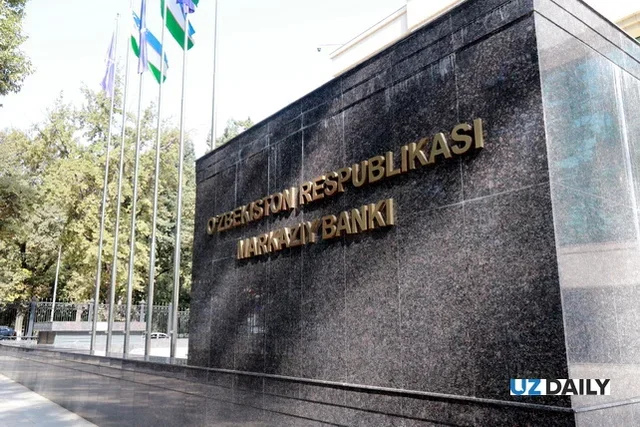
Tashkent, Uzbekistan (UzDaily.uz) — Central Bank of Uzbekistan Chairman Timur Ishmetov unveiled the country's national fintech development strategy for 2026–2030 during the Silk Road Finance & Technology Forum in Tashkent. The strategy establishes a framework for enhancing financial infrastructure, strengthening regional connectivity, supporting innovation, and training personnel.
The event brought together representatives from 74 countries. Addressing the forum, Ishmetov noted that global fintech revenue reached approximately US$500 billion last year, growing at 22 percent—four times faster than traditional financial firms—with 75 percent of top fintech companies operating profitably. While Central Asia currently accounts for a small share of global fintech investment, with venture capital funding standing at roughly US$320 million in 2023, Ishmetov emphasized the region's strong potential driven by its young population, expanding digitalization, and developing infrastructure.
In Uzbekistan, cashless payments currently account for 57 percent of total transactions, with small and medium-sized enterprises generating over half of the national economy. Following presidential directives issued last year to accelerate sector growth, the national strategy aims to attract US$1 billion in foreign investment into fintech and train 5,000 young specialists by 2030.
The regulatory framework is being expanded alongside an upgraded regulatory sandbox allowing domestic and international partners to test financial innovations. The strategy outlines five core pillars for the fintech ecosystem:
Bozor focuses on creating market conditions for entrepreneurs to launch products and acquire initial customers rapidly.
Silk Road corridor aims to bolster cross-border payment integration and financial service accessibility across Central Asia.
Saroy targets modern financial infrastructure, building on the UzQR national QR system, open banking APIs, account-to-account instant payments, and AI-driven credit scoring.
Observatory handles ongoing research into digital assets and new forms of money through a data-driven approach.
Madrassa centers on human capital investment to utilize the country's young demographic, where the average age is approximately 29.
Additionally, Ishmetov highlighted progress in financial inclusion, noting that the share of women holding bank accounts in Uzbekistan has increased from 39 percent to 61 percent.