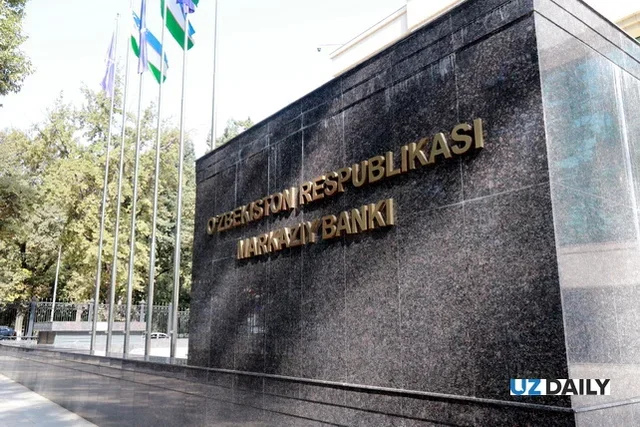
Tashkent, Uzbekistan (UzDaily.uz) — The CERT-CBU cybersecurity center of Uzbekistan’s Central Bank, together with relevant government organizations, has introduced a real-time system for sharing information on cyber threats among financial market participants, the Central Bank of Uzbekistan said.
Under the system, if one bank identifies a new phishing link, malicious website, suspicious IP address or another risk indicator associated with a cyberattack, the information is promptly shared with other participants.
This enables other banks and payment organizations to take the necessary protective measures before a similar threat affects their systems or customers.
According to the Central Bank, all commercial banks in the country, all payment system operators, the currency exchange, credit bureau KATM and 20 payment organizations are currently connected to the system. They are ATTO, Alif, Atmos, Beelab, Choyxona, Click, Freedom Pay, Open, Global Solutions, Oson, Paylov, Payme, Paynet, Payze, Plum Technologies, Infinity Pay, Sello, Uzbekiston Pochtasi, Uzum Nasiya and Devhub.
The Central Bank explained that information about a new cyber threat detected by one organization serves as an early warning for other financial market participants.
According to the regulator, the mechanism helps reduce the risk of cyber threats spreading across the financial system, enables a rapid response and improves the effectiveness of user protection.
The Central Bank also warned about fraudsters who may call while posing as representatives of the regulator and request confidential bank card information, SMS verification codes or ask people to transfer money. The agency urged people not to trust such calls and not to disclose confidential information to anyone.