Tashkent, Uzbekistan (UzDaily.uz) —Uzbekistan’s new version of its waste law is designed to establish a clear waste management system, prevent illegal dumping and create an economic foundation for the development of recycling, Presidential Adviser for Environmental Affairs and Chairman of the National Committee for Ecology and Climate Change Aziz Abdukhakimov said.
He made the remarks in an interview with O’zbekiston 24 television.
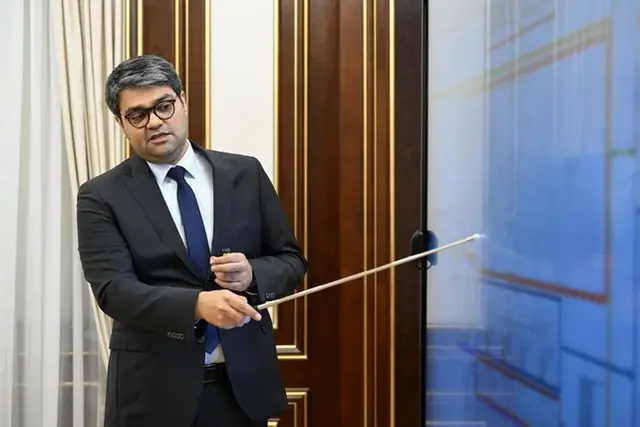
On 10 September, Uzbek President Shavkat Mirziyoyev reviewed a presentation of investment projects aimed at improving waste management, recycling waste and generating electricity.
According to Abdukhakimov, the president was also presented with a new version of the waste law, drafted taking into account international experience from more than 10 advanced countries. The document defines types of waste and the powers of government agencies, organizations, public associations, mahallas and executive authorities.
The previous version of the law was adopted 24 years ago. Abdukhakimov said the lack of clear legislative requirements for waste recycling and management systems, as well as measures to prevent illegal dumping, had negatively affected the environment.
The new version is intended to establish a comprehensive waste management system and give waste economic value.
While waste was previously mainly sent to landfills, the new approach envisages developing recycling, which is expected to create economic opportunities, new jobs and sources of income for the population and businesses.
“If we previously viewed waste as a problem, from now on it will become a new opportunity,” Abdukhakimov said.
According to him, adoption of the law will help attract additional investment to Uzbekistan, including foreign investment, and create new jobs.
Abdukhakimov also linked the development of the sector to the country’s broader economic goals.
He said the new law could help transform waste management into a major industrial sector and contribute to Uzbekistan’s target of increasing gross domestic product to US$300 billion.