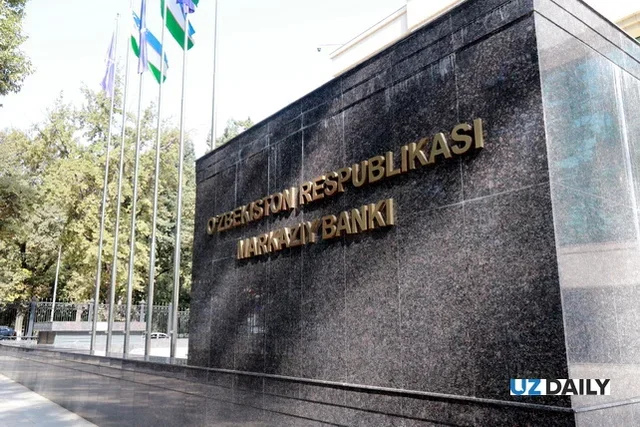
Tashkent, Uzbekistan (UzDaily.uz) — A total of 33,392 real estate and vehicle purchase and sale transactions were processed through escrow accounts in Uzbekistan in August 2026, according to the Central Bank of Uzbekistan.
Of the total, 17,807 transactions involved vehicles, accounting for 53.3%, while 15,585 transactions involved real estate, or 46.7%. Another 4,346 transactions were still being processed at the end of the month.
Tashkent recorded the highest activity, with 10,487 transactions, representing 31.4% of the national total. Ferghana Region recorded 3,245 transactions, followed by Samarkand Region with 2,941 and Andijan Region with 2,395.
Escrow transactions in Uzbekistan are regulated by a new regulation that took effect on 1 April and establishes procedures for electronic data exchange between notaries and banks. The regulation applies to real estate, vehicles in categories M, N, O and G that are no more than 10 years old, as well as special-purpose vehicles.
Under the procedure, payments for such transactions must be made exclusively through escrow accounts, with funds transferred to the seller only after the contract has been notarized.
Before notarizing a transaction, a notary must use an automated system to verify that sufficient funds are available in the escrow account. If the funds are absent or the account has been closed, the notary may refuse to formalize the contract.
If a transaction involves payments to multiple sellers or their representatives, the relevant information is prepared separately for each recipient.
The Ministry of Justice and the Central Bank are responsible for overseeing compliance with the regulation. Violations of the established requirements are subject to liability under the law.