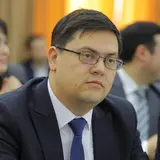
Tashkent, Uzbekistan (UzDaily.uz) — Embedded finance has significantly expanded access to payment services in Uzbekistan but has yet to deliver full financial inclusion because it does not fully address the quality and transparency of financial products, Dilbar Abduganieva, director of financial inclusion at the Central Bank of Uzbekistan, said at the Silk Road Finance and Technology Forum in Tashkent on 25 August.
Abduganieva made the remarks during the session “Embedded Finance in Action — The Last Mile, the SME & the Individual,” moderated by Khyati Chauhan, director of strategy and chief of staff at the Global Finance & Technology Network. The panel examined whether embedded finance has genuinely expanded the number of people using financial services or has mainly made services more convenient for those who were already part of the financial system.
Abduganieva said financial inclusion involves more than access. It combines access, usage and the quality of financial services, as well as availability of a basic set of products covering credit, savings and payments. Embedded finance currently provides mainly access and, to some extent, usage, while product quality remains an unresolved issue because of insufficient transparency, she said.
She also said formal savings in Uzbekistan remain below regional and global levels despite a cultural tradition of saving. She urged fintech companies to pay greater attention to savings products rather than focusing primarily on lending.
Abduganieva added that embedded finance providers generally move toward areas offering higher margins and existing infrastructure and do not always reach the most vulnerable groups, including women entrepreneurs, people with disabilities, migrants and residents of remote regions. This requires incentives and tailored requirements from regulators, she said.
Rasuljan Gulyamov, chairman of the supervisory board of Uzum Bank, said more than 18,000 sellers are registered on the Uzum Market marketplace. The bank uses data on their turnover and sales to provide loans without traditional collateral, which is often unavailable to small and medium-sized businesses without a credit history, he said.
Gulyamov also highlighted the Nasia installment service, which allows customers to pay for purchases over periods ranging from three to 12 months.
According to Gulyamov, Uzbekistan’s payment system has changed significantly over the past five to six years. Customers can now open a bank card without visiting a branch, pay for purchases on marketplaces and settle utility bills online. These developments have brought many people who were previously outside the financial system into it, he said.
Kanokpan Lao-Araya, director of the Asian Development Bank’s Uzbekistan office, said embedded finance has expanded both the reach and depth of financial services. Existing customers have gained access to more products, while previously underserved groups have gained access to basic services, she said.
She identified four areas where technology can provide the greatest benefits: connecting people with business opportunities; assessing creditworthiness through behavioral data instead of collateral; developing products tailored to specific groups, such as women entrepreneurs; and strengthening consumer protection and risk management.
Todd Schweitzer, co-founder and chief executive of Brankas, cited examples from other countries in the region where embedded finance has expanded access to banking services. In the Philippines, one bank opened 500,000 accounts through an installment application and a messaging service within six months, while a digital wallet with 70 million users enables customers to open savings accounts through partnerships with four banks.
In the United Arab Emirates, Abu Dhabi Commercial Bank and food delivery service Talabat issue credit cards within the app using open banking data. The service received 1 million applications in its first year, Schweitzer said.
Uzbekistan is now laying the foundations to become a similar regional fintech hub through the creation of the Tashkent International Financial Centre and the launch of a new regulatory sandbox, he said.