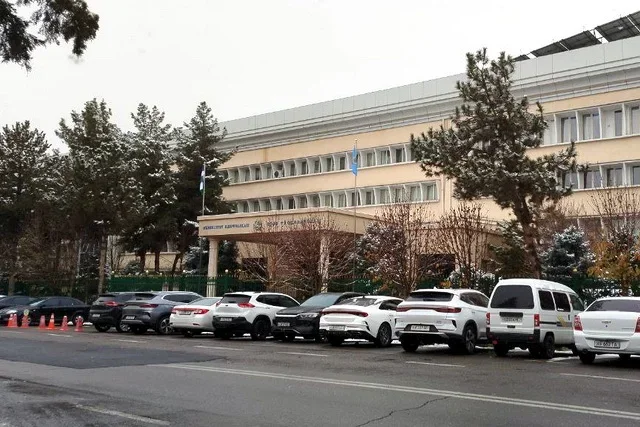
Uzbekistan Central Bank 2025: Inflation Cut, Reserves Hit $66B

Tashkent, Uzbekistan (UzDaily.uz) — Uzbekistan's Central Bank drove inflation down nearly three percentage points and grew gross international reserves to $66.3 billion in 2025 — but senators are pushing for tighter oversight of commercial banks and a harder line on financial fraud.
The Senate of the Oliy Majlis reviewed the Central Bank's annual performance report at its 16th plenary session, approving a resolution that incorporates lawmakers' recommendations for further reform.
Inflation Under Control — For Now
The Bank's headline achievement was a sustained reduction in price pressures. Headline inflation fell from 9.8% to 7.3% over the reporting period, while core inflation — which strips out volatile food and energy prices — dropped from 7.3% to 5.7%, a signal that the disinflation trend is becoming embedded rather than cyclical.
The Bank attributed the progress to refinements in its monetary policy operational framework, improved transmission channels, active liquidity management across the banking system, and a shift toward market-based interest rate formation on the money market.
Reserves Surge, Lending Expands
Gross international reserves climbed 1.6 times year-on-year, reaching $66.3 billion by year-end — a figure that substantially enlarges Uzbekistan's external buffer against currency or balance-of-payments shocks. The Central Bank's own securities portfolio was brought to $1.5 billion during the same period.
On the lending side, banks and the Central Bank collectively extended 330 trillion soums in credit to individuals and businesses throughout the year — a volume that reflects both expanded access to finance and the Bank's broader push to stimulate household savings activity.
Banking Sector Stability Metrics
Senators noted that the banking system's core stability indicators are well within safe parameters. The capital adequacy ratio stood at 18.3%, the liquidity coverage ratio reached 208%, and the net stable funding ratio came in at 120% — all comfortably above international regulatory minimums.
Non-performing loans declined to 3% of the total credit portfolio, while reserve coverage of those bad loans improved from 87% to 94%, reducing the system's exposure to potential credit losses.
Cybersecurity and Fraud — The Unfinished Agenda
Beyond the macroeconomic data, the session surfaced a pointed concern about the digital integrity of the financial system. The Central Bank highlighted ongoing efforts to modernize payment system infrastructure and expand cashless transactions, framing both as tools for preventing cyberattacks and fraudulent activity that threaten systemic stability.
Senators responded by calling for strengthened oversight mechanisms covering commercial banks, payment organizations, and payment system operators — and demanded more effective anti-fraud measures across financial services. These recommendations were incorporated into the Senate resolution adopted at the close of the session.
The report positions the Central Bank as having delivered on its core 2025 mandates. Whether the reform agenda senators attached to their approval — particularly on cybersecurity and commercial bank supervision — translates into enforceable policy will be the next measure of the institution's progress.