Uzbekistan and Tajikistan Discuss Andarkhan Checkpoint Modernization

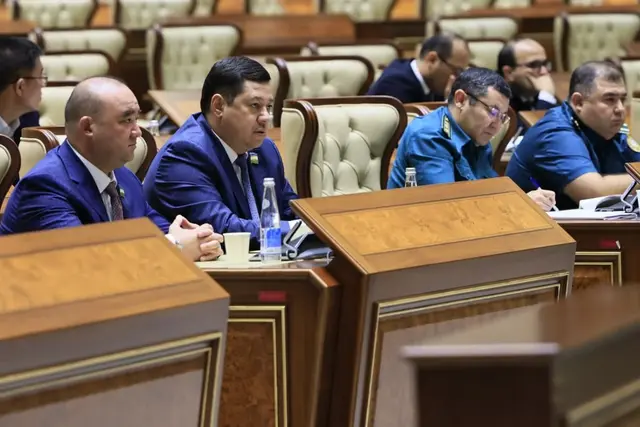
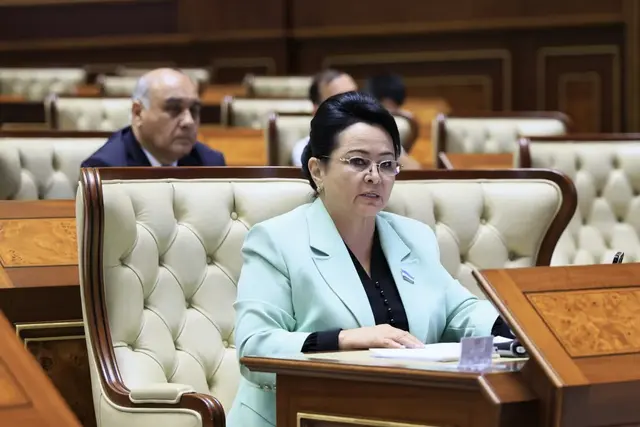
Tashkent, Uzbekistan (UzDaily.uz) — A working meeting of the relevant agencies of the Republic of Uzbekistan and the Republic of Tajikistan took place at the Andarkhan customs post, located in Ferghana Region.
The bilateral negotiations of the joint Working Group were entirely dedicated to deepening practical cooperation in the customs sphere, modernizing the infrastructure of border checkpoints in accordance with international standards, and creating the most favorable conditions for participants in the foreign economic activity of the two states.
During the official meeting, Deputy Chairman of the Customs Committee of Uzbekistan Nodir Musamuhammedov and responsible heads of divisions from the Tajik side focused on the technological aspects of the operation of interstate posts. The parties analyzed current logistics processes in detail with the aim of radically accelerating inspection and clearance procedures for vehicles, minimizing the border crossing time for cargo, and improving the overall quality of service provided at the borders.
One of the key practical issues on the agenda was plans for the comprehensive reconstruction and expansion of the high-demand Andarkhan – Patar border checkpoint.
The project is aimed at a manifold increase in its actual throughput capacity, which will eliminate cargo delays during peak seasonal loads. In addition to construction modernization, the delegations dedicated significant time to the technological aspects of the partnership, discussing the end-to-end digitalization of customs processes, the introduction of data exchange mechanisms for an integrated border-customs complex, and the synchronization and mutual integration of departmental information systems.
The concluded negotiations lay a solid foundation for strengthening trust between the fiscal and border authorities of Uzbekistan and Tajikistan. The systematic development of border hubs is intended to serve as a catalyst for further intensifying trade flows and elevating the overall trade, economic, and investment cooperation between the neighboring Central Asian states to a qualitatively new level.