Uzbekistan and Pakistan expand cooperation in AI

Tashkent, Uzbekistan (UzDaily.uz) — Uzbekistan and Pakistan have discussed expanding cooperation in digital technologies, artificial intelligence, IT service exports, startups, and investments, Uzbekistan's Ministry of Digital Technologies reported.
The discussions took place during a meeting between Minister of Digital Technologies of Uzbekistan Sherzod Shermatov and Minister of State of Pakistan Bilal bin Saqib.
One of the main topics of the negotiations was Pakistan's potential in the digital economy, with particular attention paid to effectively utilizing the country's human capital, including IT specialists, freelancers, and technology companies.
Representatives of the two countries examined prospects for joint work in artificial intelligence and data centers. The sides separately discussed green energy projects, including initiatives related to digital infrastructure development.
The development of freelancer potential was highlighted as an important topic. The parties noted the need to transition from a model where specialists primarily act as service providers to creating conditions for them to launch their own startups, digital products, and companies.
In this regard, Uzbekistan and Pakistan discussed aligning the startup ecosystems of both countries, fostering interaction between venture funds and tech entrepreneurs, and creating joint digital products. Promising areas named include technological solutions for agriculture, medicine, and education, with the possibility of introducing them to the international markets of both nations.
Special attention was given to attracting Pakistani IT companies to Uzbekistan. The parties considered creating operational conditions for them in the country and promoting Uzbekistan as a platform for entering Central Asian and CIS markets.
The representatives also discussed opportunities under the "Zero Risk" program, which aims to attract IT companies, including to Uzbekistan's regions. Under the program, companies can be provided with office space for a certain period, necessary equipment, employee training, reimbursement of costs for obtaining select international IT certificates, and tax incentives.
Expanding mutual exports of IT services was another direction of the talks. The sides emphasized the importance of creating conditions for Pakistani specialists to participate in projects in Uzbekistan, exchange experience with local specialists, and jointly enter third-country markets.
Following the negotiations, the Pakistani delegation reviewed the activities of IT Park Uzbekistan, where representatives of the organization spoke about support for foreign and domestic tech companies, IT industry development, increasing IT service exports, and forming a startup ecosystem.
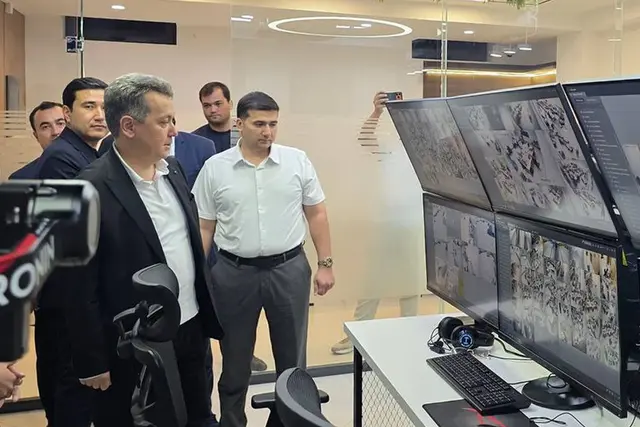
During the visit, the delegation also visited UZINFOCOM, where guests were presented with the company's experience in implementing major digital projects, digitalizing public services, and developing and implementing modern information systems and digital platforms. Additionally, Uzbek representatives outlined the introduction of digital technologies into public administration and public service delivery, the integration of information systems, and the development of digital infrastructure.