Tashkent, Uzbekistan (UzDaily.uz) — Global commodity prices are projected to rise by 23% in 2026 before falling by 7% in 2027, according to the World Bank’s latest Commodity Markets Outlook report, published on 28 October.
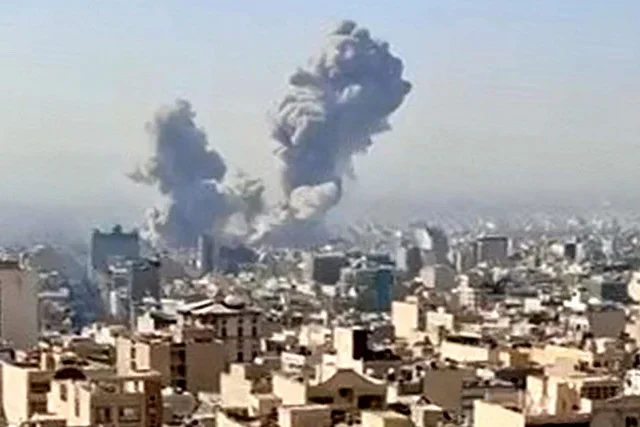
Energy prices are expected to increase by 32% in 2026, with Brent crude averaging US$91 per barrel, up from US$69 in 2025. The forecast reflects supply disruptions linked to the conflict in the Middle East, which have reduced oil inventories and are expected to push energy prices to their highest levels in four years.
The projected increase would reverse three consecutive years of declining energy prices. In 2027, energy prices are expected to rise more slowly, while Brent crude is forecast to fall to US$79 per barrel.
Global oil supply is projected to decline by 5.2% in 2026, its steepest drop in more than 40 years outside the exceptional circumstances of 2020. Consumption is expected to fall by 2.5%. However, production will remain below consumption, meaning oil inventories are likely to continue shrinking.
Natural gas prices in Europe are forecast to rise by 58% in 2026 to US$19 per million British thermal units. Liquefied natural gas prices in Japan are expected to increase by 67% to US$20.
Food prices are projected to rise by around 10% in 2026 and another 7% in 2027, representing a cumulative increase of 18% over the two years. The World Bank cited grain supply disruptions caused by conflict, threats to harvests from El Niño and high fuel and fertiliser costs as key factors.
Wheat prices are forecast to increase by 28% in 2026 to US$311 per tonne, followed by a further 13.5% rise in 2027. Cotton prices are expected to climb by 14% to US$1.95 per kilogram.
Fertiliser prices are projected to increase by 14% in 2026 before returning to their 2025 levels in 2027. Urea prices alone are expected to rise by 21% this year.
Metal prices are forecast to increase by 25% in 2026, reaching a new record high. Aluminium, copper and tin have already set new records. Copper prices are expected to rise by 33% to US$13,200 per tonne, aluminium by 24% and tin by nearly 50%.
According to the World Bank, demand from renewable energy, electric vehicle manufacturing and data centres, combined with supply disruptions, is driving the increase. Metal prices are projected to decline by 3% in 2027.
Precious metal prices are expected to rise by 40% in 2026 amid strong demand for safe-haven assets. Gold is forecast to average US$4,600 per ounce, 34% above its 2025 level. Silver prices are projected to increase by 76% to US$70 per ounce, while platinum prices are expected to rise by 53%.
In 2027, gold prices are forecast to fall to US$4,250 per ounce. Nevertheless, precious metals are expected to remain more than three times as expensive as their average levels in 2015–2019.
The baseline forecast assumes that conflicts affecting global commodity supplies will not escalate significantly. Under a more adverse scenario involving an escalation in the Middle East, continued damage to Russian oil infrastructure, attacks on grain shipments in the Black Sea and an exceptionally strong El Niño, Brent crude could average US$105 per barrel in 2027.
In that scenario, food prices would be 12% higher than under the baseline forecast and exceed their 2022 levels.
“Commodity markets are being hit by several major shocks at once. Higher energy costs and trade disruptions are pushing up prices across a wide range of goods, threatening to fuel inflation, worsen food insecurity and slow economic growth,” said Ayhan Kose, the World Bank’s Deputy Chief Economist.
He said protecting the poorest households and supporting low-income countries with high debt levels should be priorities.
To help countries address the impact, the World Bank Group has allocated between US$50 billion and US$60 billion through existing financing instruments, including US$25 billion in pre-arranged financing.
The funds may be used to strengthen social protection for the most vulnerable groups, support government budgets and provide working capital to businesses and farms.