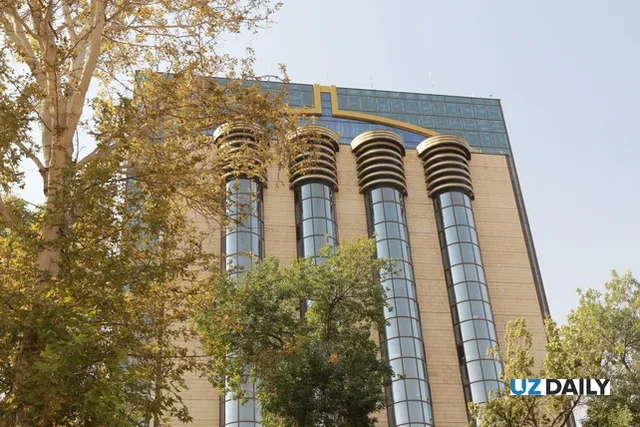
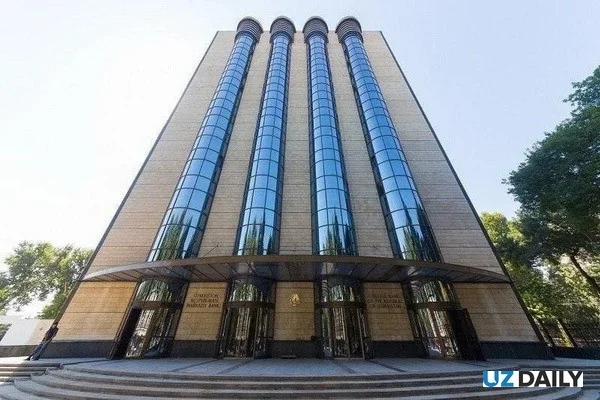
Tashkent, Uzbekistan (UzDaily.uz) — The Central Bank of Uzbekistan has issued licences to four commercial banks to conduct Islamic finance operations. The regulator's board approved the licences on 18 November 2026.
The licences were granted to AITB Ipak Yoli, AKB ASIA ALLIANCE BANK, ChAKB Orient Finans and JSC HAYOT BANK.
The permits authorise the banks to conduct Islamic finance operations предусмотренные under Article 5-1 of the Law on Banks and Banking Activities.
The Central Bank recommends that customers check whether a bank holds the relevant licence on the regulator's official website before using its services.
Open Bank previously received Uzbekistan's first licence to conduct Islamic banking activities. The Central Bank's board approved the decision on 23 October 2026. Under resolution No. 28/1, the bank was issued licence No. 1-I.
How Islamic banking will work
The legal framework for developing Islamic banking was established by a law dated 27 March 2026, which entered into force on 29 June. The legislation defined six types of Islamic finance operations.
One of them is mudaraba, which involves transferring capital to a managing party, with profits subsequently distributed among the participants. Wakalah is based on an agency agreement under which funds are provided or attracted through a trusted agent.
Murabaha involves a bank purchasing goods and subsequently selling them to a customer in instalments at a previously agreed price that includes a mark-up. Under a salam transaction, the buyer pays for goods before delivery.
Musharaka involves jointly financing projects or participating in the capital of companies. Ijara provides for leasing assets, including arrangements that allow their subsequent purchase.
The law also permits other types of operations if they comply with international banking practices and Uzbekistan's legislation.
Unlike conventional lending, Islamic finance does not involve interest-bearing loans. Instead, it uses trade mark-ups, rental payments and profit-sharing arrangements. This does not mean that such financial services are provided free of charge.
Licensing is предусмотрено both for establishing a separate Islamic bank and for setting up an Islamic banking division within an existing commercial bank.
In the second case, a bank can provide conventional and Islamic financial services simultaneously.
However, it must maintain separate accounting for the two types of operations, establish a specialised division and form a board to oversee compliance with Islamic finance standards.
Plans for developing Islamic finance
The development of Islamic finance in Uzbekistan began before the adoption of the Islamic banking law.
In 2022, microfinance organisations were permitted to provide services in this sector. In July 2024, the Central Bank approved rules governing the relevant operations, including mudaraba, murabaha, musharaka, ijara and salam.
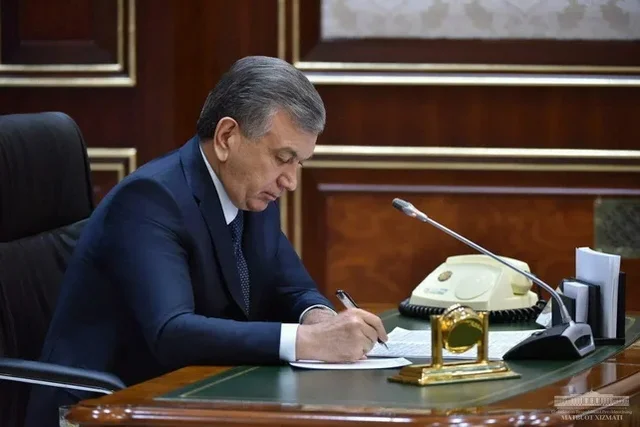
In March 2026, President Shavkat Mirziyoyev signed the law introducing Islamic banking.
The authorities announced plans for 2026–2030 to establish two banks operating entirely under Islamic principles and open specialised divisions in at least one commercial bank.
Preliminary estimates suggest that implementing these plans could attract around US$1 billion in additional investment and deposits.
In October 2025, Central Bank Deputy Chairman Abrorhodja Turdaliev spoke about the possibility of Uzbekistan having 10 Islamic banks by 2030. The possibility of opening Islamic banking divisions in three state banks was also under consideration.
In April 2026, Central Bank Deputy Chairman Sanjar Nosirov said that four to five foreign banks had expressed interest in entering the Uzbek market. Their participation was linked to the establishment of the necessary legal framework.
In June 2026, the Central Bank announced plans to adopt up to seven standards for Islamic financial services by the end of the year. Work on these standards is coordinated by the regulator's Islamic Finance Council.
In July, the Central Bank also established requirements for the composition of Islamic finance councils at banks and the conditions for obtaining licences.
The list of mandatory documents includes a three-year business plan.