Tashkent, Uzbekistan (UzDaily.uz) — The metals market faced a fresh wave of selling by mid-November, as a stronger US dollar, expectations of further Federal Reserve rate increases and falling technology stocks weighed on prices.
Investors have become more cautious about the prospects for large-scale artificial intelligence investments, which had supported demand for industrial raw materials throughout the year.
Gold and silver fell to multi-month lows, copper retreated sharply from record levels, while aluminium and zinc also came under pressure.
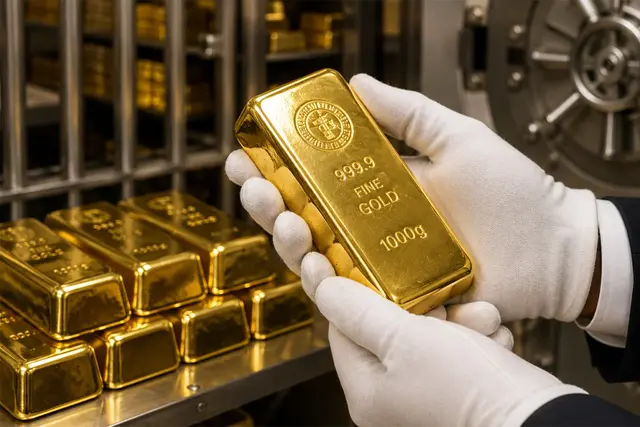
Gold fell below US$3,800 an ounce, reaching its lowest level since September 2025. Silver dropped to around US$46 an ounce and continued to lose ground following a sell-off in October.
The main factor was the Federal Reserve's hawkish stance. US central bank officials again spoke about the need to raise interest rates to combat inflation. Markets put the probability of a 25-basis-point rate increase in December at 96%.
The dollar rose to a 19-month high. This combination is unfavourable for precious metals: higher bond yields and a stronger US currency make gold and silver less attractive. Attention is now turning to the minutes of the Fed's October meeting, which could provide clues about the central bank's next steps.
Platinum and palladium also lost ground. Platinum fell to around US$1,410 an ounce, while palladium declined to US$950. Both metals faced pressure from the stronger dollar and weaker investment sentiment, as well as underlying market factors.
After several years of shortages, the platinum market could end 2026 with a small surplus due to declining investment demand.
Palladium continues to face risks from the automotive industry, as the spread of electric vehicles gradually reduces demand for traditional catalytic systems. However, relatively low accumulated platinum stocks mean that a renewed supply shortage cannot yet be ruled out.
The copper market saw a particularly sharp shift. Prices fell below US$6 a pound, reaching their lowest levels since early summer. The metal lost almost 10% over the month, although it remained about 17% higher year on year.
The decline followed a sell-off in technology stocks after the United States tightened restrictions on exports of AI chips to China. Markets are concerned that investment in data centres and related infrastructure could fall short of previous expectations.
However, the physical market remains tight. Copper inventories in China are close to three-year lows, while import premiums have reached record levels. This creates a mixed picture: exchange prices are falling, but some regions continue to face shortages of available metal.
Aluminium prices fell to around US$2,940 a tonne, their lowest level since December last year. Markets are anticipating increased production in China and Indonesia, which is expected to gradually improve supply.
At the same time, available inventories in the physical market remain limited. The premium for immediate aluminium delivery on the London Metal Exchange recently reached its highest level since 1988.
Zinc also declined to around US$3,650 a tonne. Limited warehouse stocks are providing support, but the stronger dollar and expectations of increased production are currently weighing more heavily on prices.
Overall, the past week showed how sharply investor sentiment has shifted. Previously, market participants had actively bought metals in anticipation of supply shortages and rising demand from artificial intelligence. They are now assessing the outlook for the global economy more cautiously.
Precious metals remain sensitive to the Federal Reserve and the dollar, while industrial metals are under pressure from revised demand expectations.
Long-term demand from the energy, electricity grid and technology sectors remains in place. However, a sustained recovery in the metals market will require greater confidence in future investment and an easing of monetary policy.