Tashkent, Uzbekistan (UzDaily.uz) — Uzbekistan needs to identify the reasons behind a decline in tax revenue as a share of GDP, including possible structural problems, Koba Gvenetadze, the IMF's resident representative in the country, has said.
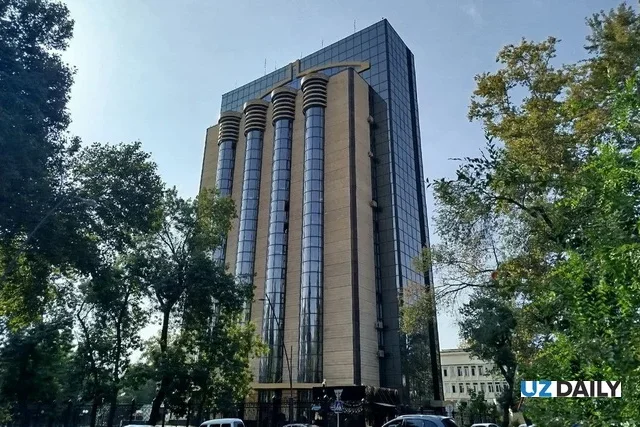
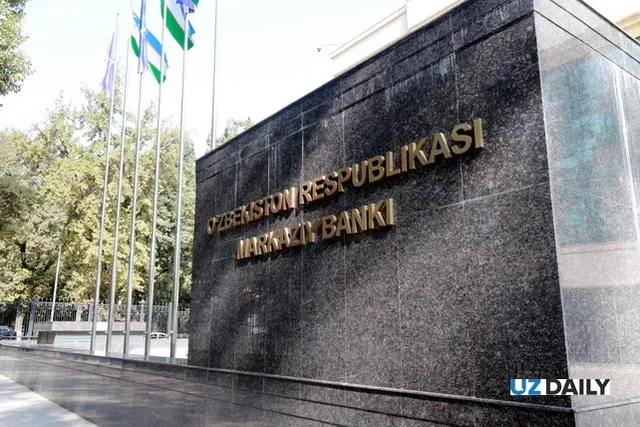
The issue was discussed at the presentation of the IMF's regional economic outlook for the Caucasus and Central Asia at the Central Bank of Uzbekistan.
Ulmas Juraev, head of a department within the Ministry of Economy and Finance's Tax and Customs Policy Department, confirmed that the ratio of tax revenue to GDP had declined. He stressed the need to adopt a medium-term revenue strategy (MTRS).
Juraev said the ministry had requested technical assistance from the IMF and expected to discuss the issue in detail during the fund's Article IV mission.
He also said a tax administration strategy had already been adopted. In his assessment, its implementation would help reduce the shadow economy.
At the same time, Juraev highlighted the possible consequences of the moratorium on tax inspections. He said the restrictions could result in budget revenue losses.
The ministry therefore plans to discuss modernising the tax audit system with the IMF, taking into account the moratorium's three-year duration.
Gvenetadze confirmed that the IMF had also observed a decline in tax revenue relative to GDP. He said the underlying reasons needed to be established.
"There may be some structural problems behind this, but we need to understand what the cause is," the IMF representative said.
He noted that the decline in tax revenue had coincided with a period of high gold prices, which were supporting budget revenues. Gvenetadze said this made the current period an opportune time for reforms.
"You should fix the roof while the sun is shining," he said.
The IMF representative also stressed the importance of accounting for tax expenditures — revenue that the government forgoes through tax exemptions and other relief measures.
"Documenting tax expenditures, understanding what they are and reflecting them are very important, because this shows how much revenue is being lost and how substantial those losses are," Gvenetadze said.
The IMF also recommends strengthening field tax audits and expanding tax authorities' powers to enforce provisions of the Tax Code. At the same time, it emphasises that taxpayers' rights must be strictly protected.