Tashkent, Uzbekistan (UzDaily.uz) — The International Monetary Fund (IMF) has reclassified Uzbekistan's exchange rate regime from a crawling peg-like arrangement to a floating exchange rate system. The fund recommends maintaining the soum's flexibility to protect the economy from external shocks, IMF Resident Representative Koba Gvenetadze said.
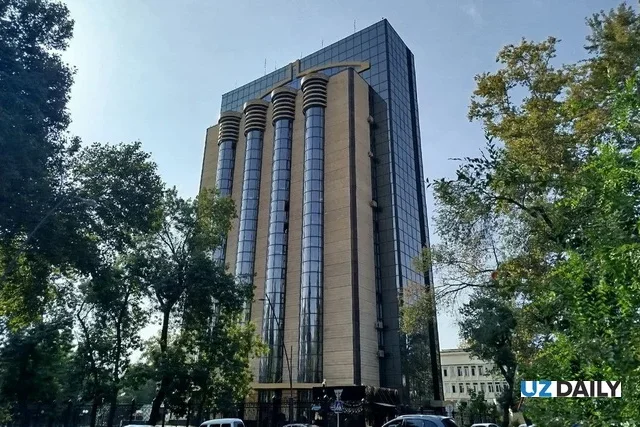
He made the remarks at a presentation of the regional economic outlook at the Central Bank of Uzbekistan.
"Previously, the regime was similar to a crawling peg. Now it is floating," he said.
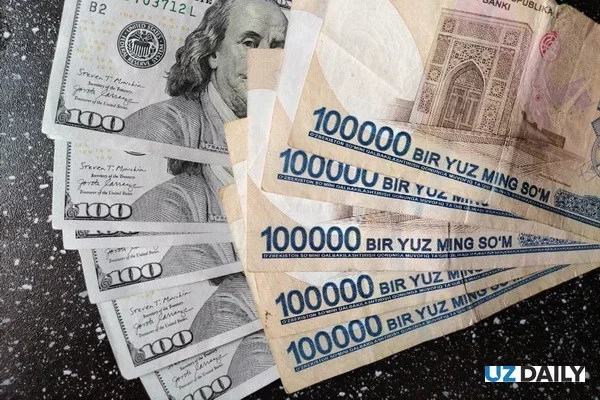
According to Gvenetadze, just one or two years ago, market participants expected the soum to depreciate against the US dollar by 7–10% annually. However, this depreciation did not materialise as underlying economic indicators improved.
The IMF representative stressed that a floating exchange rate is an integral part of the inflation-targeting framework used by the Central Bank.
"There is a concept known as 'fear of floating'. The Central Bank of Uzbekistan has overcome this fear, and now Uzbekistan has a floating exchange rate," Gvenetadze said.
IMF highlights need to develop hedging instruments
The move to a floating exchange rate requires the development of instruments to hedge against currency risks. Gvenetadze said the treasury departments of commercial banks should develop the capacity to offer such instruments to clients.
He described the main advantage of a flexible exchange rate regime as its ability to cushion the impact of external shocks on the economy.
"It insulates the economy from the shock," he said.
To support this point, Gvenetadze referred to research presented in an IMF report.
According to the fund's calculations, in countries with flexible exchange rates, supply shocks are reflected in prices more quickly. However, output losses are smaller in the period that follows.
Under less flexible exchange rate regimes, the impact of such shocks on prices is weaker. However, output contracts more significantly in the second year after the shock.
IMF backs maintaining policy rate at 14%
The Central Bank of Uzbekistan has kept its key policy rate at 14% since March 2025. The IMF considers this level appropriate.
The fund recommends maintaining tight monetary conditions until inflation has sustainably approached the Central Bank's target of 5%.
Central Bank Deputy Chairman Nodirbek Achilov said that further reductions in inflation become more difficult as it approaches the target.
"When we started inflation targeting, inflation was around 20%... Now it is in single digits, at around 6.5%, for example, and changing these figures is even more difficult. Reducing inflation from 6.5% to 6.4% requires considerable attention and many measures," Achilov said.