Uzbekistan Hosts Water Security Roundtable in Tashkent

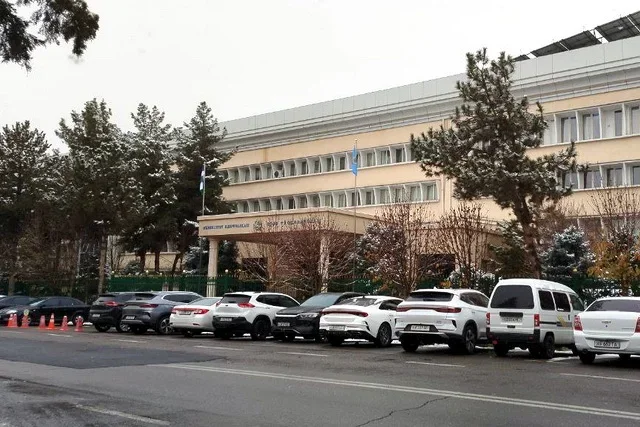
Tashkent, Uzbekistan (UzDaily.uz) — On 14 April, the International Institute for Central Asia in Tashkent hosted a roundtable titled “Ensuring Water Security in Central Asia under Conditions of Climate Change,” bringing together representatives of the expert community, international organizations, and the diplomatic corps.
The event was held ahead of the summit of the International Fund for Saving the Aral Sea (IFAS), scheduled for April 22, 2026, in Astana, and aimed to develop practical recommendations to strengthen regional cooperation in the water and environmental sphere.
During the discussions, participants noted that the growing shortage of water resources in Central Asia is driven by climate change, including reduced water flow in transboundary rivers, glacier degradation, changing precipitation patterns, and an increase in extreme weather events.
In this context, rational water use and coordinated action among states are becoming critical for the region’s sustainable socio-economic development.
Special attention was paid to the role of the International Fund for Saving the Aral Sea as the main multilateral mechanism for cooperation among Central Asian countries.
Participants highlighted the Fund’s contribution to interstate collaboration, implementation of Aral Sea basin support programs, and promotion of coordinated initiatives on international platforms.
The roundtable reviewed the outcomes of Kazakhstan’s chairmanship in IFAS and discussed priorities for Uzbekistan’s upcoming chairmanship.
It was noted that the next phase of the Fund’s activity will focus on improving the practical effectiveness of implemented programs, including within the framework of the Programme of Action for Assistance to the Aral Sea Basin countries.
Participants also analyzed international experience in transboundary water resource management and discussed possibilities for adapting it to Central Asian conditions.
Particular attention was given to proposals aimed at improving regional cooperation mechanisms and ensuring fair and rational water use, including through the engagement of Afghanistan in regional dialogue.
The event brought together representatives of research institutes, think tanks, international organizations including the International Water Management Institute (IWMI), as well as experts from regional countries and Afghanistan.
As a result of the roundtable, participants developed proposals and recommendations aimed at strengthening water security, enhancing climate resilience, and improving regional cooperation in Central Asia.