Uzbekistan Trains Doctors on Abuse Documentation Standards

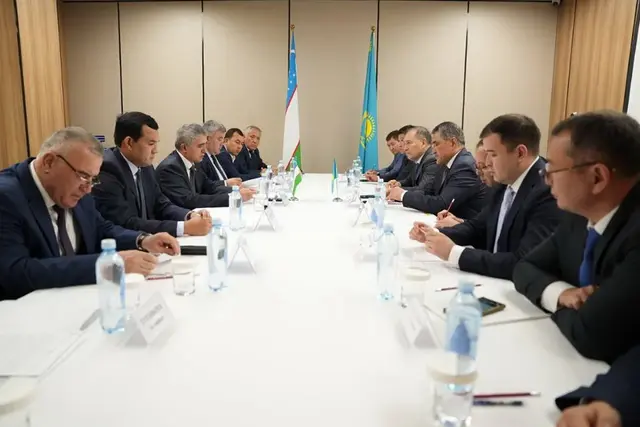
Tashkent, Uzbekistan (UzDaily.uz) — A two-day training session on forensic medical documentation of torture and other forms of ill-treatment in accordance with the Istanbul Protocol was held on 13–14 April in Khiva.
The event was organized within the framework of a joint project between the National Center of the Republic of Uzbekistan for Human Rights and the OSCE Project Co-ordinator in Uzbekistan, with participation from the Department for the Execution of Punishments under the Ministry of Internal Affairs and the Republican Scientific-Practical Center for Forensic Medical Expertise.
The aim of the training was to improve the qualifications of medical professionals in applying international standards for documenting torture and ill-treatment, as well as to strengthen the national human rights protection system.
At the opening ceremony, Director of the National Center for Human Rights of the Republic of Uzbekistan Akylbek Saidov emphasized the importance of systematically implementing international standards, noting that high-quality forensic documentation is a foundation of fair justice.
OSCE Project Co-ordinator Ambassador Antti Karttunen highlighted the human-centered approach embedded in the Istanbul Protocol and stressed the importance of compliance with international standards, including the Nelson Mandela Rules and the Bangkok Rules.
The practical part of the training was conducted under the guidance of international experts A. Shambilov and R. Beriashvili, who participated in the development of the Istanbul Protocol. Participants were introduced to the updated version of the document and studied methods of interviewing, evidence documentation, and assessment of psychological consequences, including post-traumatic stress disorder.
Special attention was given to skills such as building trust between doctor and patient, active listening techniques, prevention of re-traumatization, and ensuring confidentiality during medical examinations.
Following the training, participants discussed further steps to improve the system of documenting torture cases in Uzbekistan. In particular, proposals were made to strengthen human resources capacity and ensure confidentiality conditions, including the absence of video surveillance in consultation rooms.
Such training initiatives were noted as contributing to the adoption of advanced international practices and strengthening human rights safeguards in the country.