Stay up to date with the latest news
Subscribe to our telegram channel

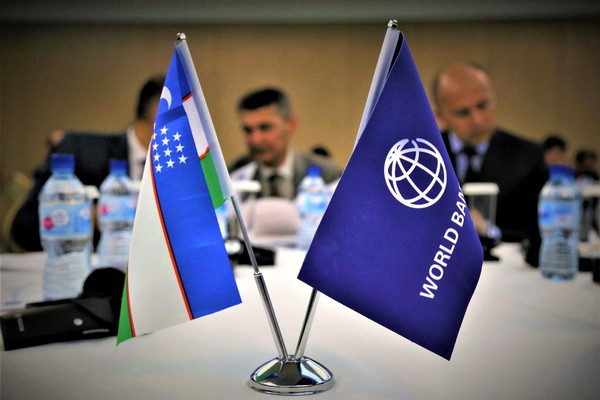
World Bank: Entrepreneurs Create Jobs and Opportunities in Rural Uzbekistan
Tashkent, Uzbekistan (UzDaily.com) — In rural regions of Uzbekistan, small and medium-sized enterprises are becoming a key driver of economic growth, job creation, and innovation.
However, entrepreneurs continue to face serious challenges, including limited access to finance, small sales markets, high transportation costs, and a lack of professional support, according to the World Bank.
The project “Rural Enterprise Development. Phase 2”, financed by the World Bank and implemented by the Ministry of Employment and Poverty Reduction, is aimed at supporting rural micro, small, and medium-sized enterprises.
Since its launch in July 2022, the project has reached more than 15,000 entrepreneurs across the country, including those in the most economically and environmentally vulnerable regions, helping to establish new businesses and expand existing ones.
The program provides entrepreneurs with financial and advisory support, stimulates employment, and creates opportunities for women and young people, who traditionally face limited access to the labor market. As a result, rural areas gain access to new goods and services, helping to narrow the gap between urban and rural communities.
One successful example is 60-year-old entrepreneur Ulugbek Ibragimov from Khanka district of Khorezm region. After receiving a loan through a local partner bank under the project, he launched a bottled water production facility. The business meets high local demand caused by shortages of clean drinking water and high salinity of tap water. Modern equipment allows water to be purified to safe drinking standards, while the enterprise provides jobs for ten local residents, including four women.
Another example is Rasulbek Yusupov, a 50-year-old entrepreneur from the same district engaged in rope production. The COVID-19 pandemic severely affected demand and supply chains, but a project-backed loan helped restore production and hire six additional employees. His products are used by local farmers, fully recycled without waste, and sold on the local market, making the business both environmentally friendly and economically sustainable.
In the Republic of Karakalpakstan, the project has also enabled the expansion of family businesses. For instance, 23-year-old Shahzoda Fazylbekova increased the capacity of her bakery in the city of Beruni, opened a café, and launched a delivery service. This led to a 30% increase in sales and the creation of new jobs for local youth, including women.
Nemat Jumabayev was able to renovate his restaurant and open a second venue in Nukus, resulting in income growth of 50–60% and the creation of ten new jobs.
A key component of the project has been the establishment of 22 business incubators across the country. These incubators provide training in financial management, business development, and marketing strategies. Consultants help entrepreneurs assess business prospects, introduce innovative solutions, and adopt best practices from successful companies.
As of December 2025, the project had supported more than 2,850 subprojects in horticulture, fisheries, construction, tourism, and rural services. The investments made have improved business efficiency, increased incomes, and created more than 12,000 new jobs, over half of which are held by women and young people.
The project demonstrates that well-designed financial and advisory support can unlock the entrepreneurial potential of rural areas and ensure sustainable economic development for the country.