Uzbekistan Moves to Tighten Penalties for Cyber Fraud

Tashkent, Uzbekistan (UzDaily.uz) — Uzbekistan’s Legislative Chamber of the Oliy Majlis has reviewed in the first reading a draft law aimed at strengthening cybersecurity and combating offenses committed in the digital environment.
Lawmakers noted that the development of banking and payment systems has significantly simplified money transfers for the population. At the same time, the expansion of information technologies has increased the risks of cyberattacks and fraud, requiring stronger mechanisms to protect citizens’ funds and improve early warning systems.
The draft law introduces administrative and criminal liability for the незаконная transfer to third parties of bank cards, electronic and cryptocurrency wallets, as well as data providing access to their management.
It also предусматривает stricter penalties for the незаконная transfer or use of SIM cards, personal accounts, and identification tools.
The document establishes administrative liability for non-compliance with cybersecurity requirements at critical information infrastructure facilities. In addition, it sets out a mechanism for compensation of damages by banks and payment organizations in cases where losses occur due to violations of information security requirements.
Penalties for crimes committed using information technologies are also being strengthened. The draft law further proposes setting clear deadlines for providing banking information to investigative authorities and increasing liability for failure to comply with these requirements.
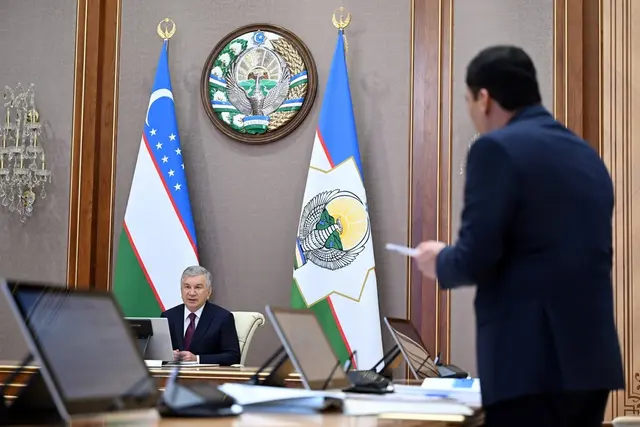
During the discussion, lawmakers highlighted the need to further refine certain provisions of the bill. Saidulla Azimov, a member of the UzLiDeP faction, pointed to potential difficulties in applying provisions related to aggravating circumstances involving the use of information technologies, as well as the possible impact of the amendments on rules concerning active repentance and mitigation of punishment.
Following the discussion, the draft law was conceptually approved in the first reading and sent for further refinement ahead of the second reading.