Stay up to date with the latest news
Subscribe to our telegram channel

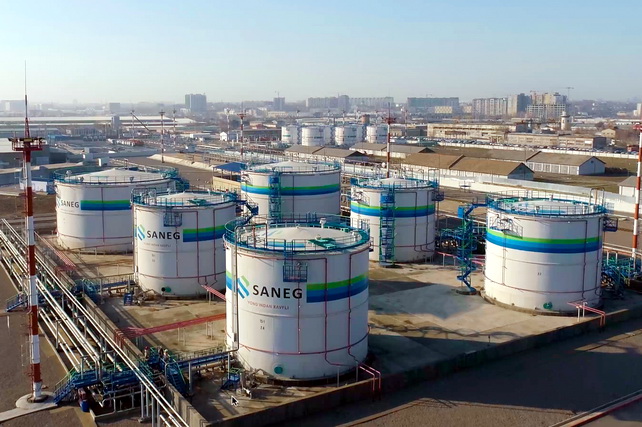
Saneg JetWhites Sold Nearly 64,000 Tons of Aviation Fuel in Uzbekistan Since April 2025
Tashkent, Uzbekistan (UzDaily.com) — Saneg JetWhites, a subsidiary of Saneg established to distribute aviation fuel, has sold nearly 64,000 tons of aviation fuel in Uzbekistan since April 2025, the company reported. The figures summarize its operations and key achievements in the country’s aviation fuel sector.
Saneg JetWhites distributes products from the Ferghana Oil Refinery, including TS-1 and Jet A-1 aviation fuels, as well as Jet A-1 SSF kerosene. The refinery has steadily increased production, expanding technological capabilities while relying primarily on local raw materials.
Industrial production of Jet A-1 at the Ferghana Oil Refinery began in 2024, significantly boosting output. In 2024–2025, the refinery produced over 80,000 tons of Jet A-1, with 80–90% of the feedstock sourced locally. This approach strengthens the sustainability of the production model and reduces dependence on imported raw materials.
In 2025, the refinery also started producing Jet A-1 with a synthetic component (Uzbekistan GTL), reflecting the company’s focus on modern technological solutions and diversification of its aviation fuel product line.
By the end of 2025, Saneg JetWhites had sold 63,900 tons of aviation fuel, produced at the Ferghana Oil Refinery and supplemented by imports. Deliveries were made to a wide range of airlines, including major international carriers such as Lufthansa, Turkish Airlines, and Qatar Airways, as well as national and regional operators.
In 2026, the refinery expects to maintain aviation kerosene production at previous levels using local feedstock. At the same time, Saneg JetWhites plans to increase fuel sales to 160,000–170,000 tons through a combination of imports and expanded production, including fuels with synthetic components.