Stay up to date with the latest news
Subscribe to our telegram channel

Ministry of Health Reviews Draft National Program to Combat Heart Attack and Stroke
Tashkent, Uzbekistan (UzDaily.com) — Uzbekistan has reviewed the draft National Program titled “Combating Heart Attack and Stroke”, aimed at reducing mortality and disability from acute cardiovascular and cerebrovascular diseases, the Ministry of Health reported.
Organizers of the event emphasized that the majority of deaths and cases of disability worldwide are directly linked to heart attacks, strokes, and their consequences.
In such cases, providing emergency medical care within the “golden hour” and effectively utilizing modern high-tech diagnostic and treatment methods is critical. These measures significantly increase patients’ chances of survival and accelerate rehabilitation.
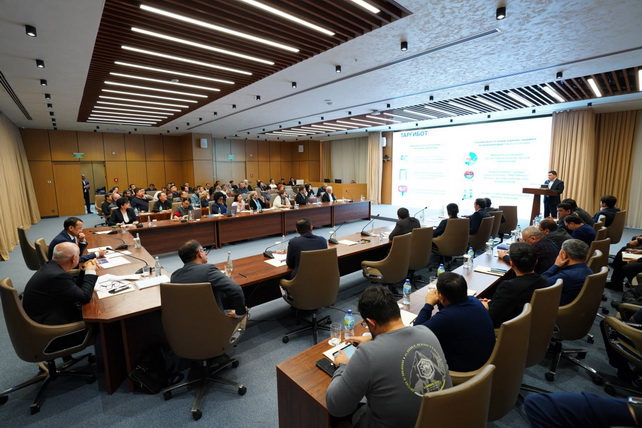
The event was held in the capital and brought together representatives from the Presidential Administration, the Ministry of Health, the Health Project Office (“Center for Health Projects”), as well as international organizations including the UN, World Health Organization, UN Population Fund, and the German Society for International Cooperation (GIZ).
Participants included specialists from ambulance services, specialized medical centers, and healthcare institutions.
The program’s priority areas include early detection of cardiovascular and cerebrovascular diseases, reduction of mortality and disability through improved quality of care, enhanced patient rehabilitation, and further development of cardiology and neurology services.
The National Program, developed based on the international initiatives Stent for Life and Action Plan for Stroke, will initially be implemented in Samarkand region and the city of Tashkent, before expanding to cover all regions of the country.
To facilitate early detection, primary healthcare facilities will conduct annual targeted medical examinations for people over 30 years old, and implement patient clinical pathways based on international standards.
Ambulance services will be equipped with telemetric electrocardiographs and AI-supported defibrillator monitors to analyze patient conditions in real time.
Hospitals will receive the necessary medications and consumables for emergency surgeries, and non-governmental medical organizations may also be involved in providing urgent inpatient care.
Funding for medical care related to acute cardiovascular diseases and strokes, provided by public and private hospitals, will come from the State Medical Insurance Fund.
The discussions also addressed updated clinical protocols and treatment standards for acute cardiovascular and cerebrovascular conditions. Participants offered proposals to further improve the program, and experts provided detailed answers to all questions.