Stay up to date with the latest news
Subscribe to our telegram channel

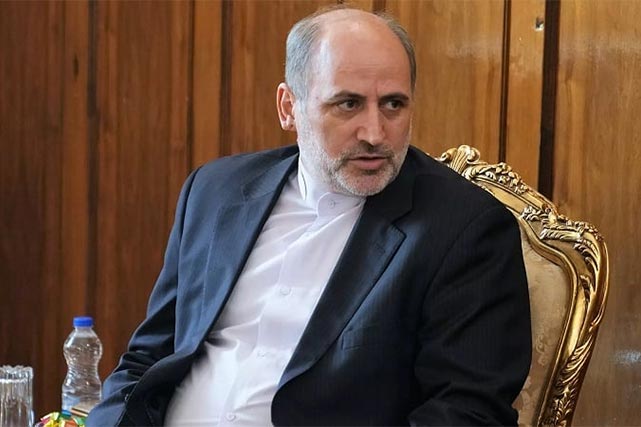
Iran’s Embassy in Uzbekistan Labels US and Israeli Actions as Terrorist Attack / Photo: Pars Today
Tashkent, Uzbekistan (UzDaily.com) — The Embassy of the Islamic Republic of Iran in Uzbekistan has condemned the actions of the United States and Israel, which, according to the Iranian side, led to the martyrdom of Iran’s Supreme Leader, Ayatollah Khamenei, Iranian Ambassador Mohammad Ali Eskandari said.
The ambassador emphasized that the attack, carried out amid ongoing diplomatic processes, posed no immediate threat and served the political objectives of Israeli Prime Minister Benjamin Netanyahu. He argued that the actions demonstrate US disregard for diplomatic channels and international obligations. Eskandari warned that global inaction could embolden such crimes and affect future generations.
According to the embassy, the attacks took place during the holy month of Ramadan and included the targeting and killing of senior military officials and civilians, as well as deliberate bombings of civilian infrastructure, including hospitals, Red Crescent centers, and schools. The embassy reported that 168 girls aged seven to twelve were killed — the largest schoolchildren massacre in history. Eskandari condemned the acts as violations of moral and humanitarian principles, UN Charter articles 2 and 4, international law, and Iran’s sovereignty and territorial integrity.
The ambassador stated that Iranian armed forces will respond decisively and that such terrorist acts will not go unpunished. He said the aggression followed four decades of pressure on Iran, with the US and Israel using regional bases to plan attacks. Iranian operations, he stressed, target only US and Israeli military and intelligence facilities, while neighboring countries remain allies and oppose foreign military presence.
Eskandari stressed that human rights violations cannot be seen as power, and legitimacy in international relations comes through respecting international law, sovereignty, and civilian protection. He called on all states and international organizations to condemn such aggressive actions to prevent the dominance of force in global politics.
On North Korean leader Kim Jong Un’s recent statements offering Iran missiles capable of “destroying Israel,” Eskandari said Iran has not requested foreign assistance and can defend its interests independently. He reiterated that any military targets used against Iran are within reach for legitimate retaliatory action, but strikes are directed solely at US military bases and infrastructure, with relations with neighboring countries, including the UAE and Kuwait, remaining friendly.
The ambassador also addressed questions about key logistics hubs and transit routes, focusing on Bandar Abbas port, where Iranian Navy vessels, including two frigates and the previously damaged helicopter carrier IRIS Makran, were hit. He stressed that Iran’s logistics system is historically resilient in crises and ensures stable transport flows. Trade with Uzbekistan continues to grow, reaching US$600 million last year, up US$100 million from the previous year.
Responding to Israeli claims of Iran funding Hezbollah, Eskandari said Iran provides only moral support, and allegations of weapons or monetary aid are false. He stated that resistance movements are driven by ideology and internal motivation, not external financing.