FAO Reviews Climate-Smart Farming in Jizzakh Region

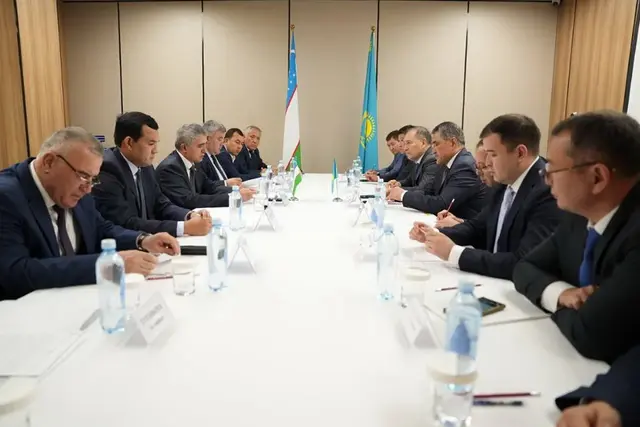
Tashkent, Uzbekistan (UzDaily.uz) — A delegation of the Food and Agriculture Organization of the United Nations (FAO) in Uzbekistan visited the Jizzakh region to review prospects for introducing water-saving technologies and developing climate-resilient horticulture. During the visit, representatives of the organization led by Sherzod Umarov visited Bakhmal district, where they held talks with district governor Aziz Ergashev.
The discussions focused on climate change adaptation, improving water resource efficiency, developing horticulture, and supporting small greenhouse farms.
Particular attention was given to the implementation of the project “Smart and Sustainable Horticulture for Small Farmers in Uzbekistan” (UTF/UZB/023/UZB), financed by the Asian Development Bank and implemented by FAO in cooperation with the International Center for Strategic Development of Agrifood Systems.
The project aims to support small-scale farmers through the introduction of climate-resilient agricultural technologies, technical assistance, and practical training programs.
As part of the visit, the delegation reviewed horticultural and greenhouse farms in the district and held meetings with farmers and greenhouse operators. Participants discussed local needs, the introduction of innovative solutions, efficient water use, and future cooperation prospects.
A separate focus was placed on the potential pilot implementation of ice stupas, or artificial glaciers. Field inspections were conducted in mountainous areas to assess suitable locations for this technology.
It was noted that meltwater from artificial glaciers could provide irrigation for orchards and farmland during early spring and throughout the growing season, which is particularly important for regions facing water scarcity.
The importance of integrating gender considerations into such initiatives was also emphasized, including support for women engaged in horticulture, household farming, and small greenhouse production. This is expected to strengthen rural community resilience and expand economic opportunities.
Following the visit, both sides highlighted the importance of further technical assessments, stronger engagement with local communities, and phased implementation of initiatives aimed at advancing climate-resilient agriculture and water-saving innovation in the region.