Stay up to date with the latest news
Subscribe to our telegram channel

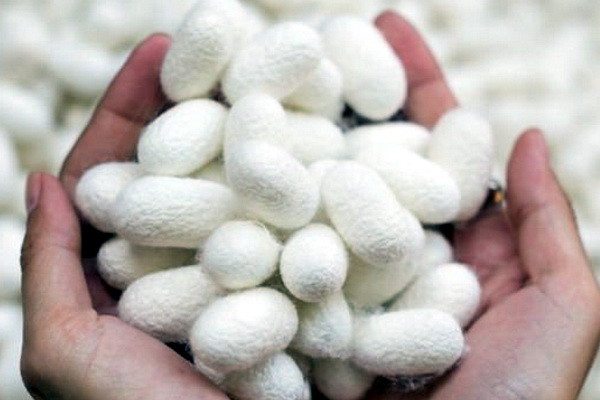
Uzbekistan Introduces Subsidies for Silk Cocoon Producers
Tashkent, Uzbekistan (UzDaily.com) — Uzbekistan will implement new government support measures for silk cocoon producers, according to a presidential decree titled “On Additional Measures for the Development of the Sericulture Industry and Strengthening the Feed Base.” The decree introduces a comprehensive package of subsidies, tax benefits, and organizational measures aimed at boosting the sector.
Starting April 1, 2026, silk cocoon producers, including sericulturists and home-based workers, will receive a subsidy equal to 35% of the amount actually paid by the sericulture cluster for delivered cocoons. The decision to grant the subsidy will be made collectively by the so-called “mahalla seven” committee.
Low-income families participating in newly established cooperatives on mulberry plantations — organized on lands under the jurisdiction of the Agency for Forestry, Green Area Expansion, and Desertification Control — will be eligible for a one-time grant of 4 million soums per family member.
Home-based workers will also be able to access interest-free loans for three years of up to 50 times the base calculation value to purchase equipment and tools necessary for silkworm cultivation. Seed production enterprises will receive compensation covering 50% of the wages for seasonal workers involved in silkworm seed preparation, with a cap equal to twice the minimum wage.
The decree also introduces tax benefits for sector enterprises. From January 1, 2026, to January 1, 2029, buildings and facilities of sericulture clusters used for cocoon cultivation and storage will be exempt from property tax, while the land under them will be exempt from land tax. For sericulture companies generating at least 70% of their revenue from the sector, the corporate income tax rate will be set at 2%.
Additionally, enterprises producing silk fabrics and finished silk products will benefit from a social tax rate of 1%. During the same period, income earned by citizens from seasonal work in silkworm seed preparation and cocoon cultivation will be exempt from personal income and social taxes.
Support will also focus on developing the industry’s feed base. The Agricultural Payment Agency will provide subsidies of up to 8 million soums per hectare for newly established mulberry plantations to cover expenses related to drip irrigation systems. For plantations larger than 2 hectares, 100% of costs will be reimbursed, up to 150 million soums, for drilling vertical irrigation wells, constructing pump stations and water facilities, and renovating infrastructure for water supply from canals and reservoirs.
The decree explicitly prohibits the seizure of existing mulberry plantations and any change in land designation by the Cabinet of Ministers of the Republic of Karakalpakstan or regional and district authorities.
By September 1, 2026, an electronic platform, pillachilik.uz, will be launched to provide information on the areas of existing mulberry plantations, lists of production and processing enterprises, industry targets, contracts, distribution of silkworm seeds, and the cocoon harvest process.
The platform will include a mobile application offering educational materials and multimedia content on agronomic practices for silkworm cultivation.