Stay up to date with the latest news
Subscribe to our telegram channel

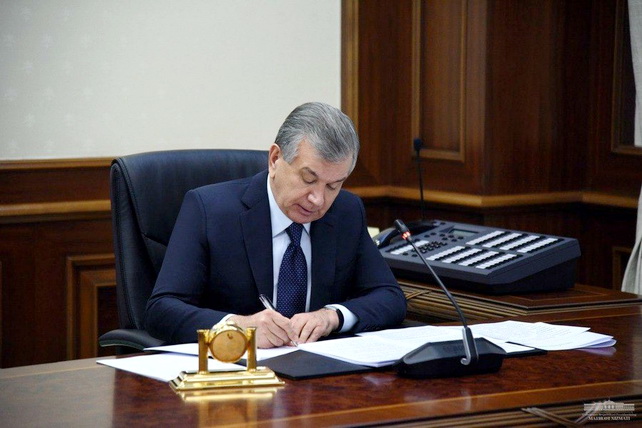
Uzbekistan Enacts Landmark Decree to Protect Women and Children from Violence
Tashkent, Uzbekistan (UzDaily.com) — President Shavkat Mirziyoyev has signed a comprehensive decree aimed at fundamentally strengthening the protection of women and children, marking a shift toward zero tolerance for domestic violence and harassment. The legislation introduces aggressive measures against early marriage, mandates life sentences for high-risk sexual offenders, and leverages digital technology to create a rapid-response safety net for victims.
The decree establishes a clear roadmap to eliminate early marriages, citing financial independence and maturity as prerequisites for modern unions. Starting in 2027, the state will provide significant incentives for couples who delay marriage until both partners are at least 21 years old, including financial aid packages 1.5 times larger than current standards. Additionally, couples who formalize their union with a prenuptial agreement will be exempt from state registration fees.
To enforce these age standards, the government is introducing administrative liability for those who incite or promote underage marriage. From September 2026, a whistleblower incentive will be implemented, directing 15% of fines for marriage law violations to individuals who report such cases. Furthermore, education, medical, and religious organizations are now legally required to report instances of underage pregnancy or marriage to authorities, with strict confidentiality guarantees for the victims.
Technological integration serves as a cornerstone of the new security framework. By the end of 2026, the government will launch the "O‘smir-signal" module within the national crime-tracking system to facilitate real-time interagency reporting of underage pregnancies and early marriages.
For women facing immediate threats, the "my.ihma.uz" mobile application will debut on April 1, 2026. This app allows holders of protection orders to signal for emergency assistance instantly. Additionally, the decree mandates psychiatric evaluations for offenders suspected of mental health disorders and introduces a rigorous psychological correction program for those convicted of violence.
The decree significantly raises the stakes for sexual crimes against minors. Effective from 1 November 2026, the investigation of such crimes will be transferred exclusively to the Prosecutor’s Office to ensure impartial and high-level oversight. Administrative harassment cases will also undergo prosecutorial review before being sent to court to ensure no criminal elements are overlooked.
Starting in 2027, cases involving violence against women and children will be handled by specially trained investigators and judges, with a strategic priority placed on appointing female professionals to these roles. The legislation also codifies life imprisonment for repeat offenders of sexual crimes against minors and bans the transfer of such convicts to lower-security prison colonies.
By aligning domestic laws with international standards, the decree broadens legal protections to include modern threats such as femicide, stalking, cyber-violence, and online grooming. The government has set ambitious targets for familial health, aiming for 100% coverage of pre-marital "happy family life" training courses by 2030 to prevent domestic violence at its roots.