Stay up to date with the latest news
Subscribe to our telegram channel

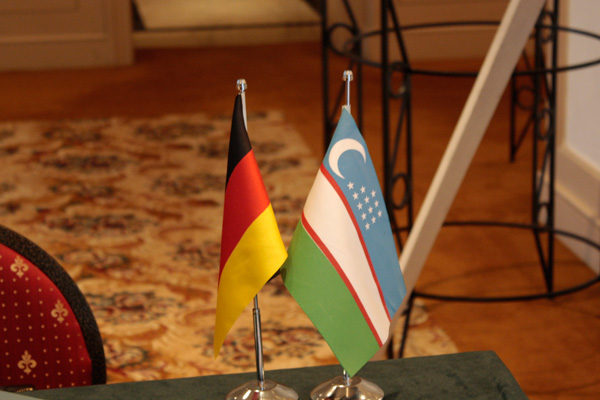
Uzbekistan and Germany Complete Joint Project on Energy-Efficient Residential Construction
Tashkent, Uzbekistan (UzDaily.com) — Uzbekistan and Germany have successfully completed a joint research and practical project aimed at improving energy efficiency in residential construction, Dunyo News Agency reports, citing the official website of the IKI program supported by the German government.
The project was implemented against the backdrop of rapid urbanization in Uzbekistan, where energy conservation and environmental sustainability have become key priorities of state policy.
Traditional construction in the country continues to rely heavily on materials with high carbon dioxide emissions, such as concrete and fired bricks, making the search for environmentally friendly alternatives increasingly urgent. Researchers from Eberswalde University for Sustainable Development, the Technical University of Berlin, and the Tashkent Institute of Irrigation and Agricultural Mechanization Engineers developed the concept of “low-emission construction” and put it into practice through a demonstration residential building constructed on the campus of the Tashkent institute.
The building was designed using a timber frame structure with straw insulation and clay plaster—low-cost, environmentally friendly, and locally available materials. According to German experts, the facility has demonstrated both technical reliability and economic efficiency.
The house design ensures a high level of thermal insulation, reducing heating costs in winter and cooling expenses in summer. Architectural solutions prioritize maximum use of natural light and solar heat, thereby decreasing dependence on engineering systems.
The project also has a strong educational component. Video lectures prepared within the international World Lecture Project network in Uzbek, Russian, and English have created an open digital knowledge base for construction sector professionals. The demonstration house is being used as a training and practical platform for students and architects.
Experts highlight the project’s strategic value for Uzbekistan in three key areas: reducing carbon dioxide emissions, lowering energy consumption and related costs for households and the state, and increasing the share of locally sourced materials in construction.
The implementation of this Uzbek-German initiative lays the foundation for transitioning the country’s construction sector toward green economy principles, and the experience gained may also be applicable in other Central Asian countries, German specialists emphasize.