Stay up to date with the latest news
Subscribe to our telegram channel

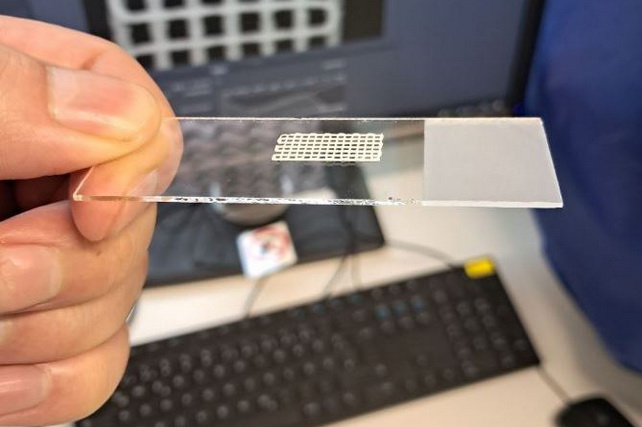
Uzbekistan Advances Technology for 3D Printing of Human Organs
Tashkent, Uzbekistan (UzDaily.com) — Uzbekistan is developing innovative technology that opens the possibility of 3D printing human organs using bioprinters, according to the press service of the Ministry of Higher Education, Science, and Innovations of the Republic of Uzbekistan.
A significant contribution to this field was made by researcher Olimjon Boymatov from the Institute of Chemistry of Plant Substances under the Academy of Sciences of Uzbekistan. Young scientists have developed a method for producing bioink bases for 3D bioprinters from local plant components.
This scientific achievement has received positive feedback from the Intellectual Property Agency and is currently undergoing patenting procedures.
According to the researcher, domestic scientists have been working for years on creating bioinks that are fully compatible with the human body, safe, cost-effective, and suitable for local production.
Substantial progress was achieved following a scientific internship in Germany at the prestigious Leibniz University, where modern bioprinting technologies and hydrogel production methods were studied.
The developed hydrogel, based on polysaccharides from local plants, provides conditions for the viability and growth of human iMSC cells. This opens prospects for creating artificial organs and tissues with high biocompatibility, safety, and adaptability.
Currently, millions of people worldwide are waiting for organ transplants due to a critical shortage of donors. In this context, the development of 3D bioprinting technologies is seen as a key direction in modern medicine. Research confirms the possibility of printing blood vessels, skin, cartilage, as well as organs such as the heart, liver, and kidneys. High global demand for bioinks contributes to their substantial cost.
It is expected that this development will partially address the shortage of donor organs in the future and make a significant contribution to saving patients’ lives. Additionally, it represents an important milestone in the advancement of domestic science and medicine.
For reference: in 2025, 147 young scientists completed overseas internships through competitions organized by the Agency for Innovation Development. All training expenses were covered by the state budget, providing additional opportunities to enhance scientific research and implement innovative projects.