Stay up to date with the latest news
Subscribe to our telegram channel

Uzbekistan Advances Food-Based Dietary Guidelines Reform
Tashkent, Uzbekistan (UzDaily.com) — Uzbekistan is taking a significant step towards strengthening national nutrition policies and transforming its agrifood systems through the development of Food Systems-Based Dietary Guidelines (FSBDGs).
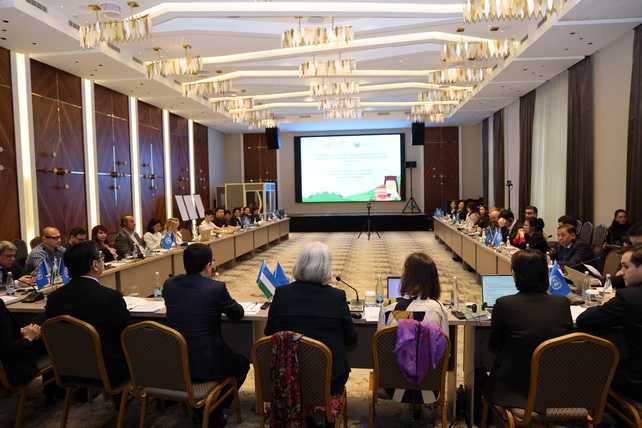
A technical workshop titled “Accelerating Progress on Food Systems-Based Dietary Guidelines in Uzbekistan” was held in Tashkent, bringing together representatives of government institutions, research organizations and development partners to advance evidence-based dietary guidance aligned with sustainability objectives.
The workshop was organized by the Ministry of Agriculture of the Republic of Uzbekistan in cooperation with the Food and Agriculture Organization of the United Nations (FAO) and implemented within the framework of the FAO project “Multisectoral Policy Recommendations for Addressing Malnutrition from an Agrifood Systems Perspective.”
FSBDGs represent a forward-looking, government-led approach that integrates nutrition, health and environmental sustainability into national dietary recommendations. By addressing the full spectrum of agrifood systems, the methodology supports more coherent policymaking and contributes to long-term food security and public health outcomes.
“Addressing malnutrition requires a comprehensive approach that connects agriculture, health and food systems. Uzbekistan is committed to ensuring that agrifood transformation leads to improved nutrition outcomes, particularly for the most vulnerable populations,” said Nuriddin Kushnazarov, representative of the Ministry of Agriculture of the Republic of Uzbekistan.
During the workshop, participants reviewed national priorities related to nutrition, health and sustainability, drawing on national data, scientific evidence and stakeholder consultations. A structured prioritization process identified key nutrition and health challenges, including micronutrient deficiencies, overweight and obesity, various noncommunicable diseases, and food insecurity.
Environmental and socio-economic dimensions of food systems were also considered, including land degradation, water use, food waste, greenhouse gas emissions and the affordability of healthy diets.
“This workshop represents an important milestone for Uzbekistan in advancing healthy diets grounded in sustainable food systems,” said Mary Kenny, Food Safety and Consumer Protection Officer at the FAO Regional Office for Europe and Central Asia. “The initiative aligns with FAO’s approach to dietary guideline development, reflecting the understanding that promoting healthy diets extends beyond the health sector alone. Every actor across the food system has a role in ensuring access to diets that support both human well-being and environmental sustainability. The wide representation of sectors and expertise present today provides a strong basis for cross-sector collaboration to develop policies that improve nutrition outcomes and strengthen Uzbekistan’s food system as a whole.”
The discussions also focused on gathering evidence on current dietary patterns of the population, with particular attention to vulnerable groups. This will ensure that dietary guidelines are culturally appropriate, context-specific, realistic, and based on the best available evidence.
Participants emphasized the importance of strengthening intersectoral coordination and building a robust evidence base to support the formulation and implementation of FSBDGs in Uzbekistan.
“The development of Food Systems-Based Dietary Guidelines is a strategic priority for Uzbekistan, as it enables alignment of nutrition policies with sustainable agrifood systems transformation. This process will support informed decision-making and contribute to improved health and well-being of the population,” said Sherzod Umarov, Assistant FAO Representative in Uzbekistan.
FAO continues to support Uzbekistan, along with other countries in Central Asia, in developing context-specific dietary guidelines that promote healthy diets while ensuring sustainability and resilience of agrifood systems.