Stay up to date with the latest news
Subscribe to our telegram channel

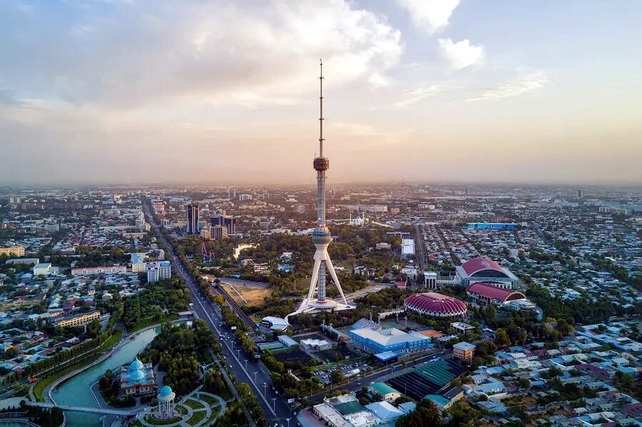
Tashkent Launches Digital Wind Flow Modeling Program to Improve Urban Ventilation
Tashkent, Uzbekistan (UzDaily.com) — A comprehensive program to improve natural ventilation in Tashkent is planned for 2026 as part of the state program for the development of the capital’s urban environment.
According to the project, by April of this year, a system for urban modeling of wind directions and natural ventilation—so-called Urban Digital Twins—will be established in the capital.
This digital model will allow authorities to identify areas where airflows are stagnant and determine factors affecting wind speed and direction.
The project also includes defining corridors for natural ventilation and developing measures to preserve and enhance them. Specifically, this involves reducing the height of planned buildings in certain zones and creating open spaces that facilitate free air circulation.
In residential areas, sensors will monitor air movement to identify factors that accelerate airflow.
The program aims to achieve measurable results: increasing the average wind speed at a height of 1.5–3 meters above the ground by 25%—from 0.8 to 1 m/s; reducing by 30% the number of days when polluted air stagnates due to lack of wind; lowering by 25% the number of days with elevated PM2.5 concentrations; and decreasing summer air temperatures influenced by street infrastructure and building density by 0.5–1.5 degrees Celsius.
Additionally, an open online map for monitoring wind flows and natural ventilation in Tashkent will be launched, accessible to all residents.
Based on the study’s results, specific measures will be developed and later incorporated into the capital’s master urban plan.