Stay up to date with the latest news
Subscribe to our telegram channel

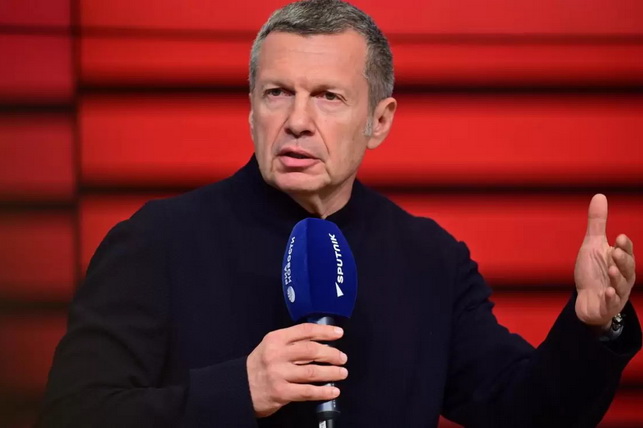
Solovyov Talk Show Criticizes Post-Soviet States Again: Uzbek Expert Responds to Claims of “Spoiling” and “Nervousness”
Tashkent, Uzbekistan (UzDaily.com) — Harsh statements about post-Soviet countries were aired on the Russian channel Rossiya 1 during the program Evening with Vladimir Solovyov.
Political analyst Sergey Mikheev questioned the idea of equal partnership with Russia, claiming that post-Soviet states have been “spoiled” and need to “know their place.” According to him, Russia provides assistance in numerous areas—from labor migration to economic support—yet these efforts do not yield the expected political dividends. Mikheev also linked the current situation in Ukraine to Moscow’s “tone” in its relations with former Soviet republics.
Host Vladimir Solovyov added that post-Soviet countries respond “nervously” because, in his view, Russia is right. “Think about what you’re doing wrong if I have to speak to you like this,” he said, accompanied by a mocking tone. Mikheev emphasized that endless concessions are “ineffective,” and countries must recognize the limits of their capabilities.
These statements prompted a response from Sherzodkhon Kudratkhodja, rector of the University of Journalism and Mass Communications of Uzbekistan.
In a comment to the media, Kudratkhodja highlighted the absurdity of the talk show’s logic. “Mikheev and Solovyov act like sentries on duty, offended by the entire former Union. Russia ‘spoiled’ everyone, allowing them to live, think, and choose their own path. The result is outrageous—no one obeys anymore,” he said. According to the expert, the position of these Russian political analysts relies on primitive reasoning: other countries’ independence is seen as “spoiling,” while disagreement is perceived as “nervousness.”
Kudratkhodja added that such rhetoric does not reflect modern realities and ignores Uzbekistan’s efforts to ensure equality and respect in international relations. He noted that labor migration issues are being actively managed, the labor market is being diversified, and thousands of new jobs are being created—all while Uzbekistan acts without coercion or expecting obligations from other countries.
“Yes, we are spoiled and happy, and by no means nervous, because we are already different. I wish the same for you—don’t envy, it’s a bad trait. As wise Uzbeks say: ‘Live with aspiration, not with envy!’” Kudratkhodja concluded.
The expert emphasized that the real world has already moved beyond the scenarios presented on Russian talk shows: post-Soviet countries are pursuing independence, equality, and development, and any attempts to treat them as “subordinates” are outdated and inconsistent with contemporary international realities.