Stay up to date with the latest news
Subscribe to our telegram channel

Progress Toward Carbon Neutrality by 2050: Challenges and Opportunities for Aviation
Tashkent, Uzbekistan (UzDaily.com) — The International Air Transport Association (IATA) has assessed the current state and prospects for sustainable aviation fuel (SAF) production as part of efforts to achieve carbon neutrality in aviation by 2050.
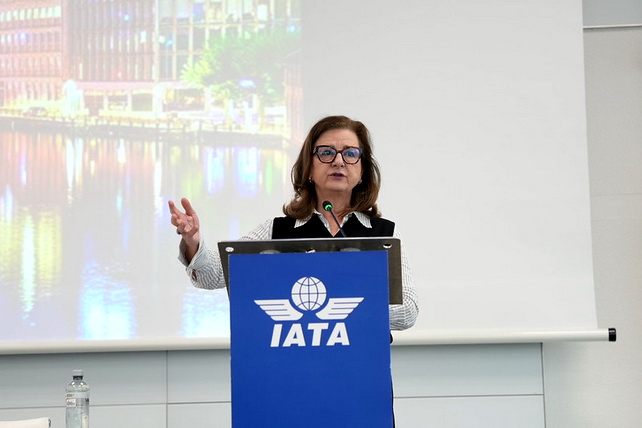
According to Marie Owens Thomsen, IATA Senior Vice President for Sustainability and Chief Economist, the main challenge lies in limited supply and insufficient investment.
"There is money — plenty of it in the world — but it is not directed toward the goals we need. The main reason is that what we need does not generate sufficient returns to attract investors," Thomsen noted. She emphasized that mandates implemented in the EU and the UK distort the market, increase fuel prices, and do not contribute to the growth of SAF production.
Progress in building SAF production capacity remains extremely slow. By 2030, planned projects could produce 55 million tonnes of fuel, of which only 29% are already operational, 12% are under construction, and 59% are only announced. The dominant technology remains the processing of used cooking oil (HEA) — accounting for 84% of all projects — while newer technologies lag behind.
Thomsen stressed that global coordination is extremely low. Corsia credits and nationally determined contributions under the Paris Agreement could reinforce each other, yet many countries do not understand this, leading to a severe supply shortage.
The forecasted need for Corsia credits by the end of next year is 200 million units, whereas current supplies amount to only 15–16 million.
Investment in the SAF sector remains low due to limited profitability. The SAF margin is around 5%, significantly lower than the oil sector (~20%) and renewable energy (~10%). "To attract capital, additional incentives are needed; otherwise, the industry will not be able to scale up in time," Thomsen added.
The IATA expert also highlighted that global fuel delivery infrastructure to airports and refining limitations complicate SAF production. Production capacity is constrained: the fraction of one barrel of crude oil allocated to aviation fuel is only 5–25%, while SAF yields only about 9%.
Thomsen emphasized the need for a systemic approach: "It is important to think about the transition to clean energy as a whole and propose regulatory adjustments if something is not working." She also noted that isolated SAF incidents should not halt the entire industry, and small producers need guarantees from airlines to expand production.
IATA’s conclusion is clear: the global energy transformation for aviation is moving too slowly, SAF remains a scarce resource, mandates for its use are ineffective, and only global coordination, investment, and incentive policies can bring the sector closer to achieving carbon neutrality by 2050.