Stay up to date with the latest news
Subscribe to our telegram channel

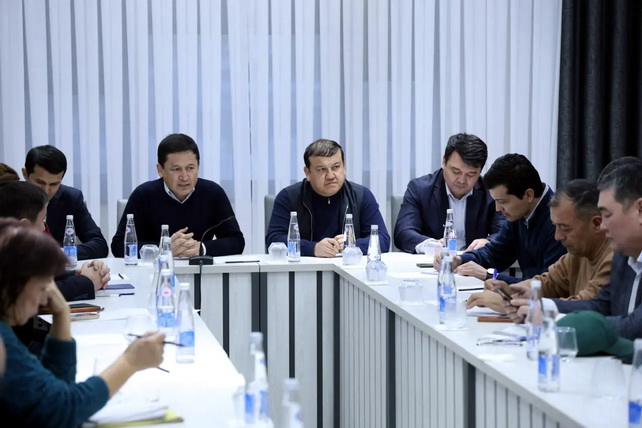
Karakalpakstan Strengthens State–Business Cooperation in Tourism Development
Tashkent, Uzbekistan (UzDaily.com) — As part of the New Uzbekistan Development Strategy, the country is consistently implementing measures to turn tourism into one of its strategic economic sectors, promote comprehensive regional development, and create new jobs.
To advance systemic reforms in tourism, attract investment, support the private sector, and improve the regulatory framework, the Chairman of the Tourism Committee of Uzbekistan paid a working visit to the Republic of Karakalpakstan on 27–28 January.
During the visit, he reviewed ongoing and prospective tourism projects in the region and held a series of meetings with industry representatives.
The event was held in an open dialogue format with the participation of a republican working group comprising representatives of the Ministry of Economy and Finance, the Ministry of Transport, the Ministry of Poverty Reduction and Employment, the Agency for Cultural Heritage, the Agency for Increasing Forest and Green Areas and Combating Desertification, the Council of Ministers of Karakalpakstan, as well as regional and Tashkent city administrations.
More than 50 representatives of the tourism industry took part in the discussions, including entrepreneurs, tour operators, guides, travel agents, artisans, transport companies, restaurant and hotel businesses, cultural heritage sites, museums, and officials from relevant government bodies.
Participants addressed key issues related to tourism development in the region, the effective use of existing potential, and improving the quality of tourism services.
During a presentation by Tourism Committee Chairman Abdulaziz Akkulov, the results of tourism development in Karakalpakstan in 2025 were summarized, and plans for 2026 were outlined. It was noted that the development of eco-tourism, cultural tourism, and ethno-tourism remains a priority of state policy, while the region has significant potential for launching new projects in these areas.
Representatives of the tourism sector emphasized that government-provided incentives, subsidies, and grant programs contribute to the sustainable development of the industry. Initiatives and proposals put forward by local entrepreneurs were highlighted as an important factor in further strengthening cooperation between the public and private sectors.
Following the meeting, specific tasks were identified to implement state tourism policy at the regional level, promote Karakalpakstan’s tourism image internationally, and support projects aimed at improving living standards.
It was noted that such dialogue platforms play an important role in unlocking the region’s tourism potential.