Stay up to date with the latest news
Subscribe to our telegram channel

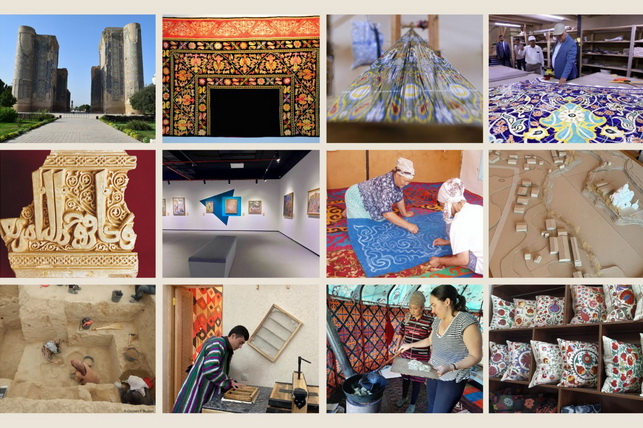
ALIPH and EU Launch 29 Heritage Projects in Central Asia
Tashkent, Uzbekistan (UzDaily.com) — The International Alliance for the Protection of Heritage in Conflict Areas (ALIPH), together with the European Union, has launched 29 projects aimed at safeguarding cultural heritage across Central Asian countries threatened by climate change.
The initiatives were selected through a highly competitive call that attracted 233 applications. The total budget of the program amounts to €1.5 million, of which €1.1 million is provided by the European Commission’s Foreign Policy Instruments Service (EU FPI), while the remaining funding comes from ALIPH.
Projects will be implemented in Kazakhstan, Kyrgyzstan, Tajikistan, Turkmenistan, and Uzbekistan.
The program covers both tangible and intangible cultural heritage. Key sites include the UNESCO World Heritage monument of Sarazm in Tajikistan, the Ak-Saray palace and the Kayrit oasis in Uzbekistan, and the Dandanakan mosque in Turkmenistan.
Special attention is being given to museums, including the Kasteev Museum in Almaty, the National Museum of Antiquities of Tajikistan, the Savitsky Museum in Nukus, and the Aral Sea Museum in Muynak. Plans also include the restoration of paintings from the Romanov Palace collection in Tashkent, as well as forums on museum practices and regional programs focused on climate-resilient conservation.
Projects related to intangible heritage include documenting nomadic and mountain traditions, preserving epic poetry, and reviving traditional games and music in Kyrgyzstan. In Uzbekistan, support for traditional silk and ikat production will focus on restoring natural dyeing methods and transferring professional skills.
Creative industry initiatives will provide artisans with training in craft and entrepreneurship, including felt-making, suzani embroidery, ceramics, mural painting, and the digitization of ornamental traditions.
The program also emphasizes the involvement of young people and returning repatriates.
Valery Freland, Executive Director of ALIPH, noted that the initiative will strengthen efforts to protect cultural heritage from the impact of climate change and expand the organization’s work in Central Asia. He emphasized that EU support enables cooperation with local specialists and helps adapt traditional crafts to new challenges.
Peter Wagner, Director of the European Commission’s Foreign Policy Instruments Service, said the partnership with ALIPH is based on practical actions and innovative approaches to cultural heritage protection, which he described as an important tool for strengthening peace and security.