Stay up to date with the latest news
Subscribe to our telegram channel

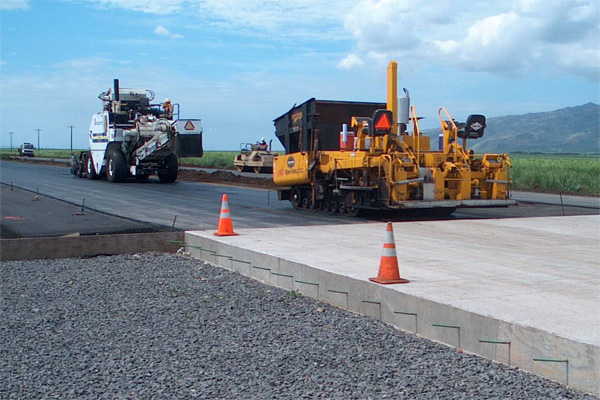
World Bank Approves US$200M for Uzbekistan Road Upgrade
Tashkent, Uzbekistan (UzDaily.com) — The Board of Executive Directors of the World Bank has approved the allocation of US$200 million for a project to modernize transport infrastructure in Uzbekistan’s Surkhandarya region.
The initiative aims to foster entrepreneurship and create jobs along the reconstructed section of the regional M41 highway, while also supporting ongoing reforms in the country’s transport sector.
Uzbekistan’s transport sector, which accounts for nearly 8% of gross domestic product and employs around one million people, has shown notable progress over the past decade. The landlocked country has improved its position in the Logistics Performance Index, rising from 129th place in 2014 to 88th in 2023 among 139 countries assessed for the speed and reliability of goods movement.
At the same time, rapid growth in the vehicle fleet is outpacing the development of road infrastructure, increasing pressure on the network. Estimates suggest that by 2030, road capacity will need to expand by approximately 500% to accommodate rising freight volumes.
According to Najy Benhassine, the development of safe and efficient road and rail networks is critical for improving access to jobs and services, as well as strengthening domestic and international trade. He noted that the new project will help enhance infrastructure quality and advance sector reforms.
The five-year program предусматривает the reconstruction of a 91-kilometer section of the M41 highway in Surkhandarya region, implemented with the participation of the state agency “Avtoyulinvest.” The road, which connects Uzbekistan with Tajikistan, Kyrgyzstan and Afghanistan, will be expanded from two to four lanes. Upon completion, around 35,000 people are expected to use the route daily, while approximately 550,000 residents of nearby areas will gain improved access to transport and economic opportunities.
The project includes upgrades to road pavement, enhanced traffic safety measures, and the modernization of bus stops, as well as the construction and rehabilitation of around 180 bridges and drainage facilities to protect against flooding. These measures are expected to reduce traffic accidents, increase average speeds outside urban areas from 65 km/h to about 90 km/h, and improve the reliability of transport services.
In addition, the initiative предусматривает support for the Ministry of Transport in developing a national multimodal transport strategy. The document will serve as a foundation for improving transport system management, enhancing coordination among different modes of transport, and implementing solutions to increase resilience to supply chain disruptions and climate risks.
Special attention is also being given to reforming Uzbekiston Temir Yullari. Plans include strengthening corporate governance, increasing financial transparency, improving passenger transport planning, and introducing modern ESG standards. These steps are expected to boost the company’s operational efficiency and enhance its ability to attract private investment.
The project is expected to contribute to job creation in the transport, trade and tourism sectors, increase passenger and transit traffic, raise industry revenues, and unlock Uzbekistan’s potential as a key transit hub in the region.