Stay up to date with the latest news
Subscribe to our telegram channel

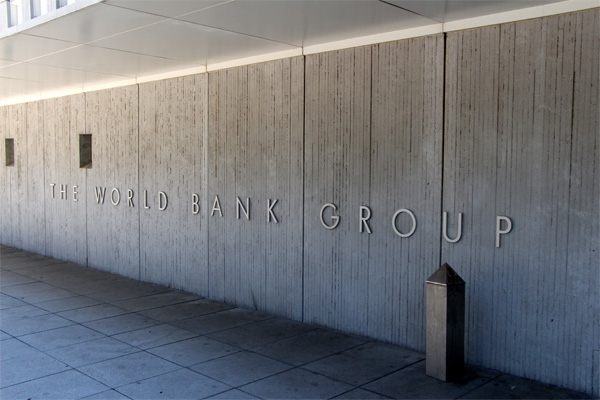
World Bank Allocates $250 Million to Uzbekistan for Urban Infrastructure Development
Tashkent, Uzbekistan (UzDaily.com) — The Board of Executive Directors of the World Bank has approved a US$250 million financing package for Uzbekistan, aimed at developing municipal infrastructure and services for residents and businesses in 16 districts and cities across the country.
The funding is provided under the “Livable and Productive Cities Program” (LPCP).
More than half of Uzbekistan’s 37 million population already live in urban areas, and this share is expected to exceed 60% by 2050. Rapid urbanization increases the need for modern urban planning and management, infrastructure development, and municipal services, including public transportation and waste management systems.
At the same time, uncontrolled urban growth, aging utility networks, and limited access to water, sewage, roads, and public spaces negatively affect quality of life and business activity. Natural and climate-related risks, such as earthquakes, extreme heat, and urban flooding, further complicate the situation.
To address these challenges, the government of Uzbekistan launched in 2025 a program for accelerated and comprehensive regional development, covering 16 strategically important districts and cities with a combined population of 3.6 million.
The LPCP, funded by the World Bank, will support this state initiative and will be implemented in 13 regions, including the cities of Yangiyul and Margilan, as well as districts such as Kungrad, Chimbay, Asaka, Gijduvan, Gallyaaral, Yakkabag, Khatirchi, Chartak, Bulungur, Syrdarya, Denau, Kuva, Shavat, and Khazarasp.
Program implementation will be coordinated by the Ministry of Economy and Finance together with local authorities. The LPCP aims to expand access to municipal infrastructure and services for residents and businesses through investments in social, utility, transport, commercial, business, and tourism facilities, as well as public spaces.
This includes healthcare and preschool institutions, schools, water supply and sanitation systems, roads, pedestrian zones, markets, parks, and flood protection facilities. The program does not fund projects that involve land acquisition or forced resettlement.
Special attention is given to strengthening the capacity of local authorities in preparing and implementing master and investment plans, as well as involving citizens and businesses in setting development priorities. For the first time in Uzbekistan, annual financial support for local authorities will be directly linked to achieved performance indicators, including the quality of territorial planning and infrastructure project implementation.
By 2030, the LPCP is expected to directly improve living conditions for around 1 million people in the 16 districts and cities, with women accounting for about half of the beneficiaries. In particular, access to transportation services will be improved for 300,000 people, public spaces and parks will be created or modernized for 400,000 residents, and infrastructure projects are expected to generate approximately 10,000 temporary construction jobs.