Stay up to date with the latest news
Subscribe to our telegram channel

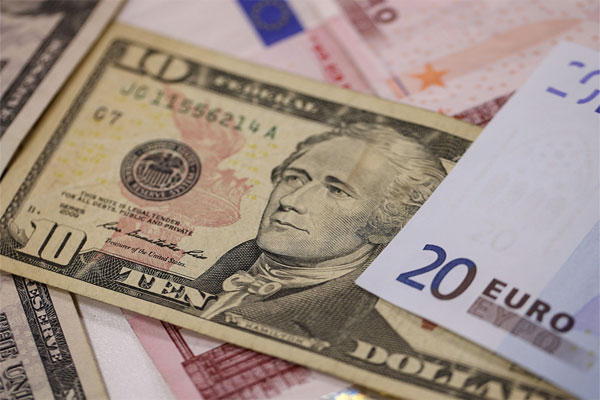
Tashkent, Uzbekistan (UzDaily.com) -- In January-November 2018, Uzbekistan’s foreign trade turnover made up US$28.66 billion and increased, compared to the same period of last year, by 17.6%.
According to the State Statistics Committee of Uzbekistan, exports made up US$11.32 billion (decreased by 3.2%), the volume of imports was US$17.34 billion (a growth rate of 36.8%). The balance of foreign trade made up minus US$6.01 billion.
Analysis of the trend in the share of cotton fiber in total exports showed that in January-November 2015, the share of exports of cotton fiber made up 5.3% of total exports, while 409.3 thousand tonnes of raw materials were exported. In January-November 2016, 348,900 tonnes of cotton fiber were exported. In January-November 2017, its share in the total export volume decreased to 3.4% and 246,900 tonnes of raw materials were exported.
In January-November of this year, the share of cotton fiber in total exports (1.9%) decreased significantly compared with the same period of last year. During the same period, 110,900 tonnes of cotton fiber were exported in the amount of US$213.2 million.
It should be noted that in November 2018, exports of goods and services increased by US$97.6 million compared to October, while the volume of imports of goods and goods services declined by US$11.2 million
As a result of measures taken by the Government of the Republic to strengthen cooperation with the CIS countries and comprehensive support for foreign trade, the share of CIS countries in foreign trade in January-November 2018 made up 38.2% and, compared to the same period of last year, the growth rate of foreign trade turnover accounted for 32.4%. The share of other countries in the foreign trade turnover in January-November 2017 was equal to 61.1%. In the current year, foreign trade turnover with them decreased by 0.6% and made up 61.7%.
The volume of exports in January-November 2018 made up US$11.32 mln. (compared to the same period of last year, it decreased by 3.2%). The share of goods in the composition of exports reached 75.5%, of which energy carriers and petroleum products - 21.0%, food products - 9.0%, chemical products and products from it - 7.3%.
An analysis of the structure of exported goods and services in January-November 2018 showed that, compared with the corresponding period of last year, there were no significant changes, but it should be noted that the share of exports of certain types of goods and services in the total exports in January-November 2018 declined compared with the corresponding period of last year.
In particular, this situation is reflected in the field of cotton fiber, machinery and equipment.
Analysis of the growth rate of exports of goods and services showed that in November 2018, exports of goods and services, compared with October, increased by 11.1%.
The volume of export services in January-November 2018 made up US$2.77 billion, or 24.5% of total exports and increased, compared to the same period of last year, by 25.0%.
The main part of the export of services is transport services, tourism, as well as telecommunication, information, computer and financial services.
Analysis of the dynamics of exports of goods and services showed that in November, compared with October, the volume of exports of goods increased by US$110.4 million and made up US$723.4 million. The export of services reached US$252.5 million.
China and Russia occupy the largest share in the export of goods and services of the Republic of Uzbekistan. The share of these countries in total exports was 37.5%.
The structure of exported goods to China and Russia includes a group of energy carriers and petroleum products, chemical products and products from it, as well as food products.
The export volume of fruits and vegetables made up more than 1.13 million tonnes and reached US$815 million (growth rate - 37.5%).
More than 617,900 tonnes of vegetables were exported (physical growth increased by 89.8%) in the amount of US$282.3 million, fruits and berries – 286,200 tonnes (physical volume increased by 7.3% ) in the amount of US$343.0 million (growth rates in terms of value, compared with the same period of last year, were 45.6% and 43.5%, respectively).
It is noteworthy that as a result of the expansion of the export potential of the country and the development of new markets, exports of fruits and vegetables, grapes, melons, legumes, as well as dried vegetables and fruits, are growing. In January-November 2018, exports of fruits and berries, as well as vegetables, reached US$625.3 million (44.4% more than during the same period of last year).
In January-November 2018, exports of textile products made up US$1.17 billion and increased, compared to the same period of 2017, by 15.3%, which is 10.4% of total exports. Of the export structure of textile products, the main share fell to cotton yarn (56.7%), finished knitwear and garments (22.4%). Since the beginning of the year, more than 340 types of goods have been exported to 46 countries of the world.
It is noteworthy that, in the first years of independence, the export of products of the republic’s light industry had a raw material direction.
It is noteworthy that, in the first years of independence, exports of light industry products of the republic had a raw material focus, now our country has become a leader in the export of finished textile and light industry products.
In January-November of this year, the volume of imports made up US$17.34 billion (growth rate - 36.8%). In the structure of imports, the main share is occupied by machinery and equipment (41.9%), chemical products and products from it (13.2%), as well as food products (8.2%).
Analysis of the growth rate of imports of goods and services showed that in November 2018, imports of goods and services increased by 0.6% compared with October.
In January-November 2018, the volume of imports of construction materials made up US$1.07 billion and increased, compared to the same period of 2017, by 27.4%, which is 6.2% of the total imports. From the structure of imports of building materials, the main share is cement (14.8%), wood and wood products (52.1%), asbestos (3.8%), as well as glass and wood products (5.0%).
Imports of building materials in January-November 2018 increased significantly, compared with the corresponding period of 2017. The growth in the volume of imports of construction materials is due to large-scale construction and reconstruction work in our country. It should be noted that the government is implementing a number of reforms aimed at the production of building materials and products, as well as providing the domestic market with high-quality and cheap building materials.
The volume of imports of services in January-November 2018 made up US$2.03 billion, or 12.0% of total imports and increased, compared to the same period of last year, by 19.6%. Transport services, tourism, as well as telecommunication, information, computer, construction and financial services, account for the bulk of services imports
At the same time, it should be noted that over the past period of 2018 in August the volume of imports was more than in the other months. In November of this year, the volume of imports of goods and services made up US$1.83 billion.
In January-November 2018, goods and services from 159 countries were imported into the republic.
5 major partner countries (the Russian Federation, the People’s Republic of China, the Republic of Korea, Kazakhstan and Turkey) have a total share in imports of 60.9%, which is US$10.55 billion.
The table below contains information about major partner countries exporting machinery, equipment, food products to the Republic of Uzbekistan and having the main share in the republic’s imports.
As a result of large-scale reforms of the country’s foreign economic activity and strong ties with the countries of the world, the export potential of our state grows.
In addition, thanks to the creation of a number of tax and customs benefits, as well as the modernization of industrial production, some of our national products have become more exported and occupy their positions in foreign markets.