Stay up to date with the latest news
Subscribe to our telegram channel

Uzbekistan to Launch Subsidized Loans for Electric Vehicle Purchases
Tashkent, Uzbekistan (UzDaily.com) — Uzbekistan plans to expand support measures for electric vehicles, including the issuance of subsidized loans for their purchase.
These initiatives are outlined in the presidential decree on priority programs and the 2026 state program (UP-22). The decree aims to reduce the number of outdated vehicles on the roads and encourage the transition to environmentally friendly automobiles. Loans for electric vehicle purchases will be offered at an annual rate of up to 16%, with the budget covering any difference above this rate. Initially, 15,000 such loans are expected to be issued.
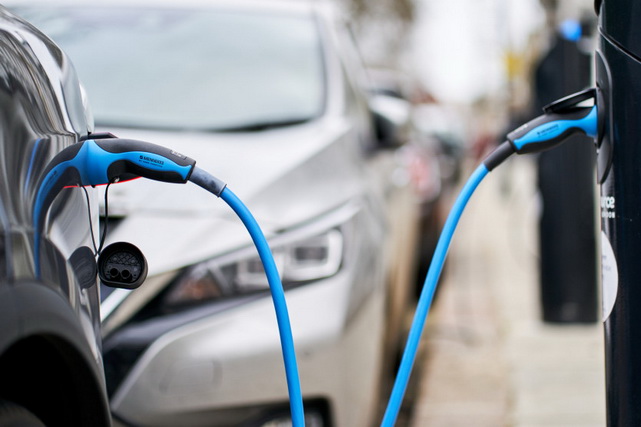
Infrastructure development is planned in parallel: by the end of the year, the number of charging stations nationwide is projected to reach 4,000. Entrepreneurs will be able to obtain targeted loans at 10% interest for installing EV charging stations, as well as purchase land at reduced prices. Electricity costs exceeding 300 soums per kilowatt-hour will be subsidized.
Support measures will also extend to electric taxis. Drivers will pay social taxes at a rate reduced by 10%, and the first 30 minutes at paid parking near train stations and airports will be free. Taxi drivers who accumulate one million kilometers on an electric vehicle without accidents or violations will receive the badge “Tabiat himoyachisi” (“Defender of Nature”).
These measures are expected to increase the number of electric taxis to 300,000 and reduce the share of vehicles in air pollution by 7%.
Special attention is being given to the disposal of end-of-life vehicles. In 2026, it is planned to collect 3,000 old cars from citizens. Mechanisms for vehicle buybacks under trade-in programs will be developed, and enterprises for recycling automotive components will be organized.
The program also includes partial reimbursement of interest on car loans for citizens who turn in old vehicles.
Overall, the new measures aim to promote environmentally safe transport, modernize the vehicle fleet, and reduce negative environmental impacts.