Stay up to date with the latest news
Subscribe to our telegram channel

Uzbekistan to Grant Tax Incentives Only in Line with the Principle of Fairness
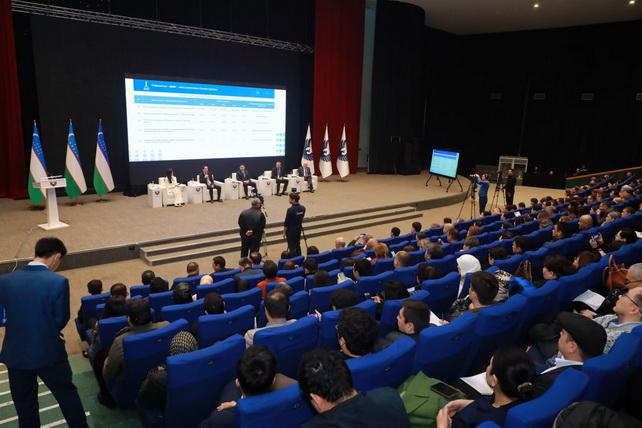
Tashkent, Uzbekistan (UzDaily.com) — In Uzbekistan, tax incentives will henceforth be granted strictly on the basis of the principle of fairness, Deputy Chairman of the Tax Committee of Uzbekistan Jahongir Abdiev said on 17 February at a tax forum.
“We want to steer tax incentives in a fair direction. We plan to set tax rates based on efficiency criteria. This approach has already been applied this year to property and land taxes. Just imagine: around 6,500 companies use property and land but have not reported a single soum in turnover and have not hired a single employee,” Abdiev noted.
According to him, tax incentives are provided by the state as preferential measures, and in return taxpayers are expected to meet specific obligations. The lack of tangible economic impact prompted the introduction of the fairness principle: tax incentives on resource-based taxes must now not exceed a company’s turnover.
As of this year, the conditions for applying property tax and land tax incentives for legal entities have been tightened. Such benefits are now granted only if several criteria are met simultaneously: revenue from the sale of goods and services must exceed the amount of tax incentives received; the average annual number of employees must be at least three; and the minimum salary of each employee must be no lower than twice the minimum wage, which currently amounts to 2.542 million soums.
Compliance with these requirements will be monitored through updated tax reporting submitted by companies. If such reporting is unavailable, turnover data for the previous 12 months will be used. Exemptions are предусмотрены for budgetary and non-profit organizations, companies with direct foreign investment, participants in production sharing agreements, enterprises operating in free economic zones until 2026, as well as companies in which at least half of employees are persons with disabilities receiving 50 percent of the payroll fund.