Stay up to date with the latest news
Subscribe to our telegram channel

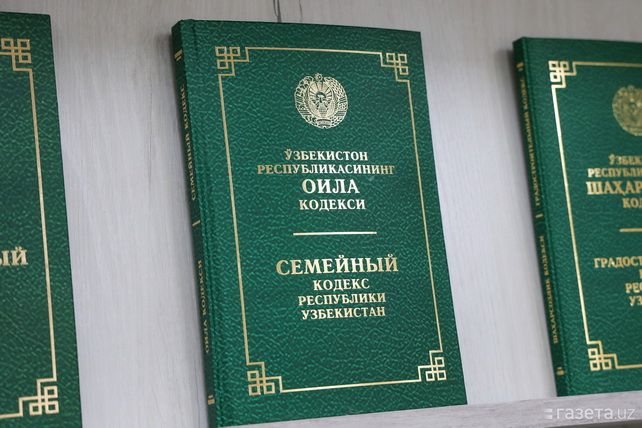
Uzbekistan Proposes New Child Rights and Alimony Bill
Tashkent, Uzbekistan (UzDaily.com) — The Committee for Family and Women’s Affairs of Uzbekistan has opened a public discussion on a draft law aimed at reforming family legislation, including the regulation of alimony payments and protection of the rights of minor children.
The bill proposes setting a minimum alimony amount for children at or above the level of the minimum consumer basket, currently 715,000 soums. Under the existing system, alimony is calculated based on 26.5% of the minimum wage, amounting to roughly 336,800 soums.
The draft introduces new guarantees for children in divorce cases. Courts would not only determine with whom a child will reside but also decide issues related to housing provision. It also establishes guidelines for contact between the child and the non-resident parent, including a visitation schedule.
Special attention is given to children left without parental care. The draft proposes mandatory bank accounts in the child’s name to accumulate alimony, pensions, and benefits. Oversight of account creation and fund accumulation would be assigned to guardianship authorities, with responsible entities legally defined.
The explanatory note emphasizes that current legislation does not fully protect children’s interests, particularly when alimony payers lack stable income. Social challenges of divorce, including housing and financial support, remain significant. Research by the Institute for Family and Gender Studies indicates that 55.6% of respondents face difficulties determining a child’s residence after divorce, and 43.6% report financial support challenges.
The draft also expands the scope of prenuptial agreements to include arrangements on child upbringing, education, financial support, residence, and parental involvement.
Additionally, the bill tightens divorce procedures: divorce applications may be left unconsidered if less than one year has passed since marriage registration, and the reconciliation period is proposed to be extended to 12 months.
The proposed changes aim to enhance social protection for children, secure their material and housing rights, reduce conflicts during divorce, and simplify monitoring of parental obligations.