Stay up to date with the latest news
Subscribe to our telegram channel

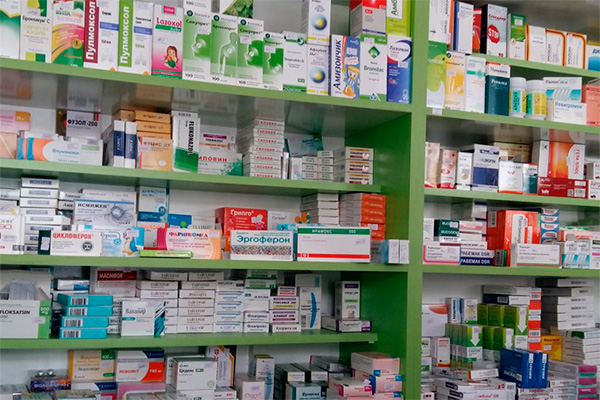
Uzbekistan Launches “Electronic Prescription” System from 10 December
Tashkent, Uzbekistan (UzDaily.com) — Starting from 10 December 2025, Tashkent and several other cities in Uzbekistan will begin the phased rollout of the DMED “Electronic Prescription” system, under which a significant portion of medicines will be dispensed exclusively with a doctor’s prescription.
The new system applies to nearly 13,000 medicinal products, including antibiotics, hormonal and psychotropic drugs, as well as medical alcohol.
According to Cabinet of Ministers Resolution No. 570, the system will initially be implemented experimentally in 15 cities and districts. Full integration of all medical institutions and pharmacies is planned by the end of 2026, with complete transition to the new model scheduled for January 2027.
All medical and pharmaceutical organizations will be required to operate through the DMED Digital Health Platform, while the existing electronic health system of the Ministry of Health will remain in use until full deployment.
Within the new system, the prescribing and dispensing of prescription medicines is recorded digitally and automatically transmitted to the “Electronic Prescription” module.
Doctors are expected to prescribe medications primarily by international nonproprietary names (INN), except for certain categories of potent and psychotropic drugs, as well as medicines included in the reimbursement program.
The process for obtaining medicines via electronic prescription involves several stages. First, the patient is examined by a doctor, who enters the data into the medical information system, creating an electronic medical record. Based on this information, a prescription is generated with a QR code and the doctor’s electronic signature.
The patient or their representative then goes to a pharmacy, where the pharmacist verifies the prescription, dispenses the medicine, and records the transaction in the system. If needed, the prescription can also be printed on paper.
For patients discharged from inpatient care, electronic prescriptions are issued for medications listed in the discharge summary or medical history, with mandatory indication of administration schedules.
The electronic prescription includes details of the medical organization, patient information, ICD diagnosis, medication name, dosage, regimen, and duration, as well as prescription number, date of issue, and attending physician information. Only medicines registered in Uzbekistan are eligible for dispensing.
Pharmacists must record the batch number, expiration date, and lot of the dispensed medicine, while doctors can monitor the movement of drugs in real time.
Electronic prescriptions are not issued in the absence of medical indications, for unregistered medicines (except orphan drugs), or for anesthetics. The Ministry of Health and its territorial offices oversee correct prescription issuance in medical institutions, while the Center for Pharmaceutical Product Safety monitors pharmacy compliance. A system for tracking potent and narcotic drugs must be submitted to the government by January 1, 2027.
As of December 9, Uzbekistan has registered 12,817 prescription medicines, including analgin, diclofenac, ascorbic acid, 70% ethyl alcohol, lidocaine, and others.
The Ministry of Health emphasizes that the new system will reduce inappropriate prescribing, limit polypharmacy, increase transparency in the pharmaceutical market, create equal conditions for pharmacies, and detect illegal circulation of medicines.