Stay up to date with the latest news
Subscribe to our telegram channel

Uzbekistan Approves Creative Economy Strategy and Plans Creative Park in Tashkent
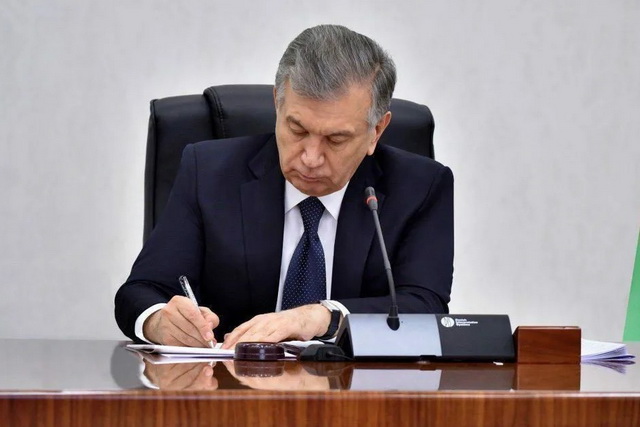
Tashkent, Uzbekistan (UzDaily.com) — On 16 February, President of Uzbekistan Shavkat Mirziyoyev signed a decree titled “On Measures to Develop the Creative Economy,” formally approving a national strategy for the development of the creative sector.
According to the document, by 2030 Uzbekistan aims to raise the share of the creative economy in GDP to 5 percent, or 145 trillion soums, expand creative exports to US$1 billion, and create 500,000 new jobs.
A Creative Park will be established in the capital, Tashkent, with a complex of buildings and facilities on Farabi Street in the Shaykhantahur district transferred to it. The property is currently owned by the Culture and Arts Development Foundation.
The site is set to be developed into a modern multifunctional complex based on a public-private partnership model. Plans include a green park with recreational areas, spaces for art installations and monumental art, an international school of digital design and programming, a book café and hotel, sports and workout areas, pavilions for artistic creation and creative workshops, environmentally friendly offices and a co-working center, as well as film and video production zones and sound recording studios.
In coordination with the Culture and Arts Development Foundation, a campus for creative industries will also be located within the park. The Creative Park must meet safety, inclusivity and environmental standards and be open to visitors around the clock.
The park’s management will be authorized to lease office space, educational and production facilities, conference halls and other premises. Rental income and membership fees from resident companies will be used to finance the park’s operations, while the management will also be able to attract grants, subsidies, donations and other lawful sources of funding.
By the end of February, the Culture and Arts Development Foundation, together with other government bodies, is required to submit a draft decree regulating the development of the creative economy. The document is to include provisions on the Creative Park and a list of activities classified as part of the creative sector.
In addition to Tashkent, the decree provides for the creation of three more creative clusters: in Samarkand at Registan Square, in Bukhara within the area of the International Biennale of Contemporary Art, and in Khiva on the territory of Itchan Kala. Land within these clusters will be leased by the Creative Park’s administration, with starting rental rates for residents set at 50 percent below assessed value.
Looking ahead, an additional land plot is planned to be allocated in New Tashkent to expand the Creative Park and develop a modern complex. By August, the Cabinet of Ministers of Uzbekistan is expected to submit a draft resolution on land allocation and construction financing.
Another creative park is also to be established in Nukus on the basis of Istiklol Park. As part of the preparatory work, proposals are to be developed for financing the reconstruction of a pavilion and hangar, as well as the construction of a children’s library.
The decree marks a new chapter in the development of Uzbekistan’s creative economy, creating conditions for the integration of art, technology and entrepreneurship and for the emergence of an internationally competitive creative sector.