Stay up to date with the latest news
Subscribe to our telegram channel

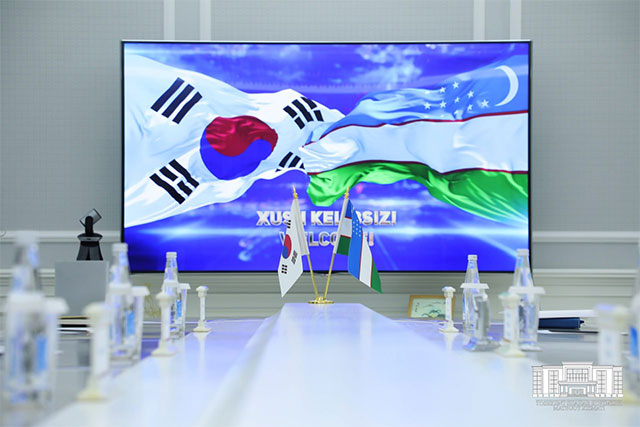
Uzbekistan and South Korea Expand Cooperation in GameDev
Tashkent, Uzbekistan (UzDaily.com) — The global video game industry is undergoing structural changes: development costs are rising in advanced economies, while Korean studios are actively entering international markets, increasing demand for scalable production solutions, localization, and regional support centers.
In Eurasia, new ecosystems are emerging to meet these needs. In this context, Uzbekistan is gradually moving beyond traditional outsourcing, positioning itself as a growing hub for GameDev and localization, connecting Korean technologies with regional markets.
According to IT Park Uzbekistan, the country hosts 47 GameDev resident companies employing more than 600 specialists. In 2024, the industry generated US$59.6 million in revenue, with exports reaching US$55.5 million. In the first half of 2025, revenue and exports amounted to US$32.7 million and US$28.4 million, respectively.
Market growth is driven by a young audience, active engagement in digital gaming, and widespread internet access covering about 77% of the population. In 2023, the number of game transactions increased by 716%, while total payments rose 126%.
Industry development in Uzbekistan is supported by government initiatives, including IT Park Uzbekistan — a specialized zone designed to accelerate IT and digital company growth. Residents benefit from favorable tax regimes: 0% VAT, 0% corporate income tax, 0% property tax, 0% social tax, and 7.5% personal income tax. Companies can also operate in foreign currencies, hire foreign specialists, and use simplified administrative procedures.
Cooperation with South Korea is actively growing through office openings, accelerator programs, and educational initiatives. In 2024, IT Park Uzbekistan signed a memorandum with Xsolla to launch the GameDev Academy and partnered with Proxy Planet to develop esports and educational ecosystems.
In Seoul, the Uzbek–Korean IT Business Alliance office coordinates collaboration between Korean companies and Uzbek developers. The Local2Global.Korea program helps local IT companies enter the Korean market, providing consulting, cultural adaptation, and participation in events such as G-Star.
Negotiations are ongoing with major Korean studios, including NCSoft, Nexon, Creators Factory, Studio Popcorn, Like Corporation (Unity), and Proxy Planet. Key areas of collaboration include outsourcing, talent development, and strategic partnerships. Special attention is given to product localization for the linguistic diversity of Central Asia and the Russian-speaking CIS market.
These initiatives create a sustainable technological corridor between the two countries: Korean companies benefit from cost optimization and access to skilled specialists, while Uzbekistan gains integration into the global gaming ecosystem, advanced experience, and new commercial opportunities.