Stay up to date with the latest news
Subscribe to our telegram channel

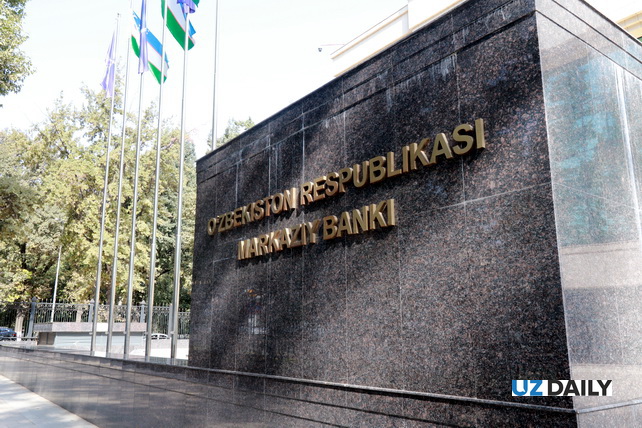
Uzbek Consumer Confidence Remains Stable in Q4 2025
Tashkent, Uzbekistan (UzDaily.com) — The Central Bank of the Republic of Uzbekistan has published its consumer sentiment survey for the fourth quarter of 2025, indicating continued macroeconomic stability and moderate optimism regarding income, spending, savings, and credit activity. The survey, conducted in January 2026, included over 4,120 respondents.
The income sub-index for Q4 2025 stood at 72.5 points, up 0.6 points from the previous quarter and 1.4 points year-on-year. A value above the 50-point neutral mark indicates a predominance of positive expectations. A vast majority of respondents—67%—expect their income to grow in the near term, while 25% anticipate it will remain stable. Only 8% expect a decline, a record low. Analysts attribute this to exchange rate stability, a robust labor market, and inflation stabilization.
Official wages have strengthened as the primary source of income, cited by 67% of respondents compared to 62% in the previous quarter. Optimism is highest among workers in household services (79%), IT and media (77%), and agriculture (76%), while those in science and education (62%) are the least optimistic.
Spending: Sub-Index Maintains High Levels
The spending sub-index remained unchanged at 77.8 points, the highest among the four categories surveyed. While 76% of respondents plan to increase spending, those in the lowest and highest income brackets predict a contraction. Middle-income groups (5–20 million soums) expect their spending to rise.
Priority expenditures across all groups remain home renovation and education. However, structural differences persist: lower-income households focus strictly on housing and schooling, while those earning over 20 million soums plan diversified spending on vehicles, real estate, and tourism. Age-based priorities also vary, with youth prioritizing education, middle-aged citizens focusing on children’s schooling and healthcare, and those over 51 prioritizing health and wedding ceremonies.
Credit: Slight Rise in Demand
The credit sub-index rose to 64.2 points, with 54% of respondents intending to take a loan within the next 12 months. Demand is strongest among those earning 7–10 million soums, whereas interest is declining among high earners. The most frequent reasons for borrowing are home renovations, education, and vehicle purchases. The Central Bank views this rise not as a sign of financial distress, but as a reflection of economic optimism and increased financial literacy.
Savings: Propensity to Save Remains but Risks Persist
The savings sub-index reached 68.8 points. While 62.6% of respondents expect their savings to grow, the report highlights a fragmented landscape regarding capital adequacy. The proportion of citizens with short-term savings (up to one month) rose to 34.1%, but 40.4%—the largest single group—reported having no savings at all, identified as a key economic risk.
Despite this, confidence in the banking sector is growing. Time deposits in the national currency increased by 37.1% over the year, suggesting higher trust in formal financial institutions.
Economic Outlook: Sustained Long-Term Optimism
Expectations for the country's general economic development remain high. Over a 12-month horizon, 68.5% of participants expect economic improvement. On a three-year horizon, optimism increases to 78.7%, with only 4.5% of respondents expressing concern about a potential slowdown.