Stay up to date with the latest news
Subscribe to our telegram channel

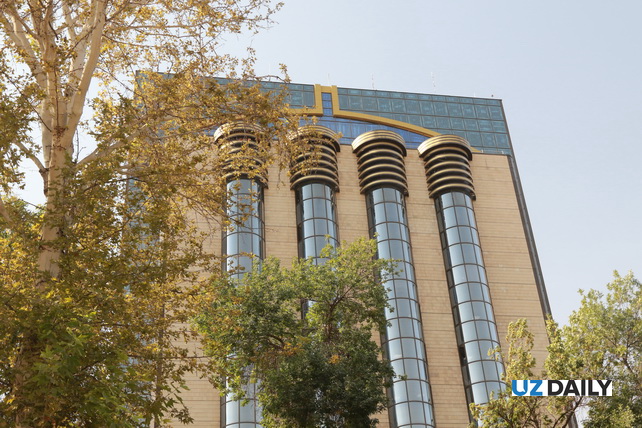
Tashkent Maintains Leading Position in Lending and Deposits
Tashkent, Uzbekistan (UzDaily.com) — As of 1 January 2026, Uzbekistan’s banking system continues to show significant regional disparities in lending and deposit volumes, according to data from the Central Bank.
The total volume of loans reached 604 trillion soums, including 220.3 trillion soums to individuals and 383.7 trillion soums to corporate clients. Total deposits amounted to 417.3 trillion soums, with 160.4 trillion from households and 256.9 trillion from businesses.
Tashkent remains the leader in both lending and deposit activity. The city’s total outstanding loans reached 284.1 trillion soums, with 66.1 trillion issued to individuals and 218 trillion to legal entities. The city’s deposit base totals 319.4 trillion soums, including 91.4 trillion from households and 228.1 trillion from corporate clients.
Among other regions, Fergana Region stands out with loans totaling 33.5 trillion soums, Samarkand Region — 30.7 trillion, and Tashkent Region — 28.6 trillion. Credit structures vary: in Samarkand Region, 16.5 trillion soums were lent to individuals, while in Fergana Region, 15.7 trillion soums went to retail clients, highlighting substantial involvement of individual borrowers.
Deposit patterns also differ. In Samarkand, legal entities deposited 11.9 trillion soums, households — 7.5 trillion; in Fergana, 7.9 trillion and 5.1 trillion respectively. In regions like Syrdarya and Jizzakh, corporate deposits exceed household deposits, reflecting the local economic structure and concentration of financial resources in business.
Lower lending and deposit volumes are recorded in Syrdarya (18.9 trillion soums in loans, 2 trillion in corporate deposits) and Jizzakh (19.7 trillion in loans, 3.5 trillion in corporate deposits), indicating relatively lower economic activity and limited banking infrastructure.
The regional structure of the banking system illustrates both the concentration of financial resources in the capital and the growing importance of economic centers such as Samarkand, Fergana, and Tashkent Region. Differences in lending and deposit volumes highlight the potential for expanding banking services, increasing financial inclusion, and stimulating entrepreneurial activity in the regions.
Analysis underscores the importance of balanced development of the banking system to ensure uniform economic growth and access to financial resources across all regions of the country.