Stay up to date with the latest news
Subscribe to our telegram channel

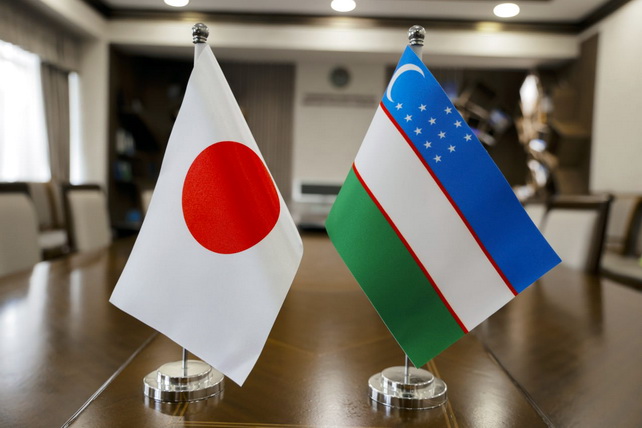
Strategic Partnership between Central Asia and Japan in New Conditions
Tashkent, Uzbekistan (UzDaily.com) — On 18–20 December 2025, Tokyo will host a historic event in relations between Central Asia and Japan — the first summit of heads of state in the “Central Asia + Japan” format.
This meeting marks a significant milestone, opening a new chapter in strategic partnership and giving a strong impetus to multifaceted cooperation between the region and one of the world’s leading economies. The summit coincides with the 20th anniversary of the “Central Asia + Japan” dialogue initiated in 2004, highlighting the durability and stability of bilateral relations.
Today, Japan prioritizes comprehensive and mutually beneficial cooperation with Central Asian countries, recognizing the strategic significance of the region. This stance is reflected in Japan’s 2023 “Blue Book on Diplomacy,” where Central Asia is identified as a key foreign policy direction. Such an approach has been made possible by the constructive foreign policy of Uzbek President Shavkat Mirziyoyev, who laid the foundations for a new stage of Central Asian consolidation. The pragmatic regional approach on the international stage has strengthened its agency, enabling joint efforts to neutralize regional threats and develop large-scale interstate projects in trade, transport, and energy.
Central Asian countries view Japan as a strategically important partner capable of significantly contributing to regional stability and economic development. Since their independence, Japan has supported Central Asian states by implementing infrastructure projects and fostering cooperation within international organizations, including the OECD, EBRD, ADB, and CAREC. Japan’s engagement has spanned key economic sectors, from water supply and sanitation to airports, railways, and thermal power plants, while supporting social infrastructure development, including schools and hospitals, and contributing to workforce training in business and agriculture.
A key feature of Japanese policy is its basis on equality, mutual respect, and consideration of partner interests without political conditions, creating a climate of trust and perceived as a genuine commitment to supporting sovereign regional development. Japan’s scientific and technological base, one of the world’s leading, serves as a vital resource for modernizing Central Asian economies, introducing innovations, and transferring comprehensive knowledge, including training personnel and developing institutional capacity.
Japan is the largest provider of official development assistance (ODA) to Central Asia, focusing on institutional modernization, infrastructure development, and fostering a favorable business environment. Over the years, Japan has implemented projects promoting market economy, democratic governance, education, and healthcare. Special attention has been given to human capital development: by 2024, 911 specialists from Central Asia had studied at Japanese universities, ensuring continuity of the strategic course and deepening bilateral ties.
Japan was also the first major power to recognize Central Asia as a region requiring a comprehensive approach, establishing the “Central Asia — Japan” dialogue format in 2004. The initiative emphasized flexible meetings and a focus on practical solutions — from border and water management to economic diversification and regional security — without rigid treaty obligations. The effectiveness of this approach was later recognized by other global actors, including the EU, USA, China, Russia, and South Korea.
Prospective areas of cooperation include promoting Central Asian interests in international organizations, where Japan actively supports regional initiatives at the UN, participation in resolutions on security, sustainable development, and environmental innovation, and supporting UN regional projects on drug control and transnational crime. In transportation, Central Asia’s strategic location offers potential for developing railways, highways, digitalizing customs posts, and building logistics centers, enhancing transit capabilities.
Cooperation in critical mineral resources is also advancing: Central Asia has significant reserves of manganese, chromium, lead, zinc, and titanium, and Japanese investments and technologies will help create full value chains and ensure sustainable economic development. Combating climate change remains a priority: Central Asia is among the most vulnerable regions, and Japanese renewable energy technologies, energy efficiency measures, disaster monitoring, and seismic-resistant construction will enhance regional resilience.
Social development is equally important: demographic growth and increased labor needs emphasize the importance of job creation programs, sustainable agriculture, and human capital development. Current cooperation trends reflect a shift from traditional aid to technology-oriented and mutually beneficial projects involving Japanese companies, including JBIC and Sojitz Corporation, opening new opportunities for economic growth and innovation in the region.
Thus, the upcoming Tokyo summit will serve as a platform to strengthen strategic partnership between Central Asia and Japan, define new horizons for cooperation, and create conditions for sustainable regional development in today’s international environment.
Bakhtiyor Mustafayev,
Deputy Director, Institute for Strategic and Interregional Studies under the President of Uzbekistan
Bakhromjon Sotiboldiev,
Head of Department, Institute for Strategic and Interregional Studies under the President of Uzbekistan