Stay up to date with the latest news
Subscribe to our telegram channel

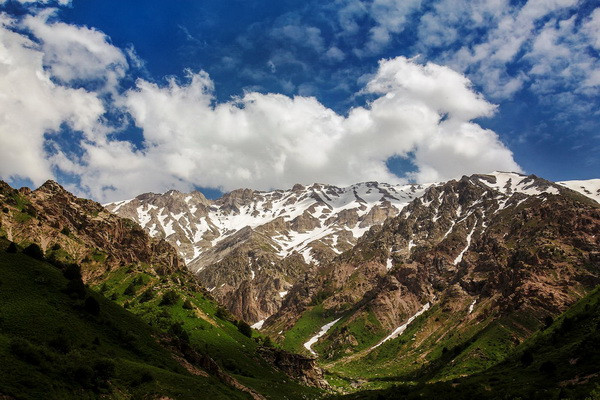
Regulations Introduced for the Creation and Use of Tourist Trails in the Country’s Eco-Zones
Tashkent, Uzbekistan (UzDaily.com) — In order to promote the systematic development of ecotourism, Uzbekistan is establishing a comprehensive legal framework aimed at protecting natural areas and organizing tourism activities according to the principles of sustainable development.
A key component of this initiative is the creation of tourist trails within eco-zones. The procedures for organizing and maintaining these trails have now been officially approved.
A tourist trail is a specially designed route passing through an eco-zone, intended for use by visitors while ensuring compliance with ecological standards. These routes are adapted for walking, horseback riding, cycling, skiing, and other non-motorized forms of travel, explicitly excluding cars and motorcycles.
The establishment of trails allows for the systematic management of tourist flows, prevents random movement of visitors, minimizes negative impacts on flora and fauna, and helps preserve the natural environment.
Trail development is carried out by the Tourism Committee in coordination with authorized organizations. The route design, length, and key points are determined by the managing entity of the respective eco-zone. Planning takes into account the natural characteristics of the area, its ecological condition, safety requirements, and the level of existing infrastructure.
Tourist trails are equipped with rest areas, informational stands, navigational signs, and safety markers. Once all preparatory work is completed and the route meets established standards, the trail is entered into a special registry maintained by the Tourism Committee, confirming its official status.
Responsibility for maintenance and regular technical inspections rests with the eco-zone’s managing entity.
During operation, strict requirements are enforced to prevent environmental damage, ensure waste is disposed of only in designated areas, adhere to the approved route, and use the trails solely for their intended purpose. If any threat arises to the environment or visitor safety, trail use may be temporarily suspended.
Information about tourist trails is made publicly available online, ensuring transparency and allowing visitors to plan their routes in advance.
These measures are designed to support sustainable ecotourism development while safeguarding the country’s natural heritage.